In plastic injection molding, producing a high-quality molded part is only part of the manufacturing process. After molding, many plastic components must be joined to form a complete and functional product. As product designs become more complex and production volumes increase, manufacturers are under pressure to choose assembly methods that are fast, reliable, and cost-effective. In this context, ultrasonic welding has become one of the most widely used solutions for plastic part assembly.
Before examining its benefits in detail, it is helpful to understand why ultrasonic welding plays such an important role in modern plastic manufacturing.
Ultrasonic welding is a joining process used mainly for thermoplastic materials. It works by applying high-frequency mechanical vibrations through a welding horn to the contact area between two
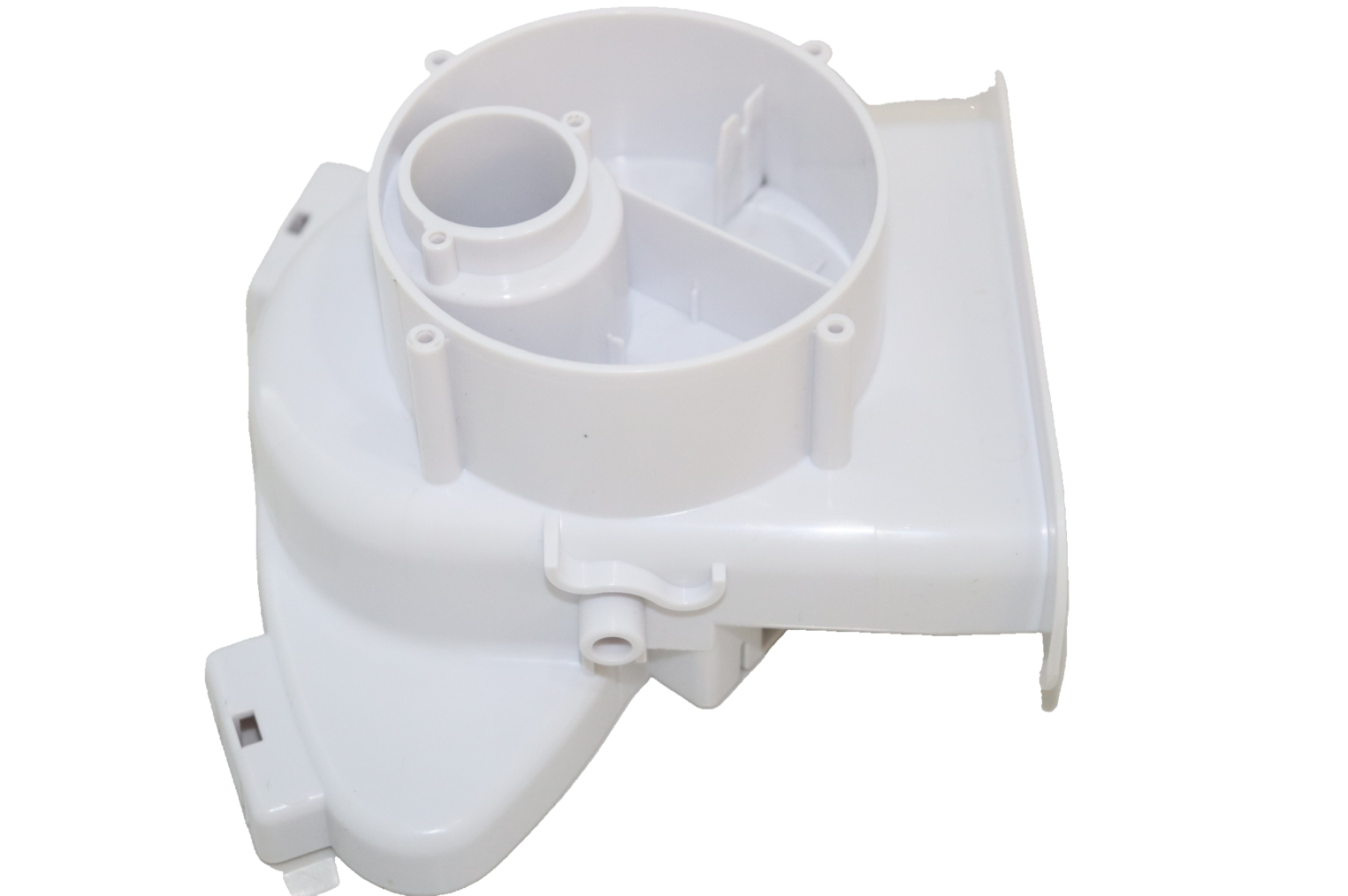
plastic parts
. These vibrations create frictional heat at the interface, causing the plastic to melt locally and bond together. Once the vibration stops, the material cools and solidifies, forming a strong weld.
Because the heat is generated only at the joint area, ultrasonic welding does not require external heat sources or long heating cycles. This fundamental working principle directly leads to many of the advantages discussed below.
One of the most significant advantages of ultrasonic welding is its speed. In most applications, the actual welding process takes less than one second, and the complete cycle time is often only a few seconds. Compared with adhesive bonding or mechanical fastening, this represents a major improvement in production efficiency.
This short cycle time is especially valuable in high-volume plastic injection molding, where thousands or even millions of parts must be assembled. Faster assembly means shorter lead times, higher output per shift, and better utilization of production equipment. As a result, ultrasonic welding is well suited for automated production lines and mass manufacturing environments.

In addition to speed, ultrasonic welding offers clear cost advantages. First, it eliminates the need for consumables such as adhesives, solvents, screws, or rivets. This reduces not only material costs but also storage, handling, and quality control requirements associated with those materials.
Second, ultrasonic welding typically consumes less energy than other plastic welding methods, such as hot plate welding. The process is efficient because energy is applied only where it is needed and only for a very short time. Over long production runs, this lower energy consumption can significantly reduce operating costs.
Finally, the simplicity of the process helps reduce labor costs. Once parameters are set, ultrasonic welding is highly repeatable and requires minimal operator intervention.
Another important advantage of ultrasonic welding is its excellent repeatability. Modern ultrasonic welding machines allow precise control of key parameters such as weld time, pressure, energy, and amplitude. This level of control ensures that each plastic part is assembled under the same conditions.
For manufacturers, this consistency is critical. Stable weld quality helps reduce scrap rates, minimize rework, and ensure that finished products meet design and performance requirements. In industries where quality standards are strict, such as electronics or industrial components, ultrasonic welding provides a reliable and controllable assembly process.
Ultrasonic welding is also well known for its precision. Because the heat is localized at the joint, the surrounding areas of the plastic part remain largely unaffected. This reduces the risk of warping, sink marks, or damage to visible surfaces.
As a result, ultrasonic welding is suitable for assembling small, thin-walled, or dimensionally sensitive plastic components. It can also maintain tight tolerances, which is essential for parts that must fit accurately with other components. This precision makes ultrasonic welding a preferred choice for applications where both structural strength and appearance matter.
From a practical standpoint, ultrasonic welding is compatible with many common thermoplastics used in injection molding. Materials such as ABS, PP, PE, PS, and certain nylon grades can be welded effectively when parts are properly designed.
Beyond rigid plastic parts, ultrasonic technology can also be used for films, fabrics, and certain hybrid assemblies. In addition, related ultrasonic processes such as staking, swaging, and inserting allow plastic components to be joined to non-plastic parts. This versatility enables manufacturers to use a single technology across multiple products and applications.
Compared with adhesive bonding, ultrasonic welding is a clean process. It does not involve chemicals, solvents, or fumes, and it produces no curing byproducts. This makes it easier to maintain a clean production environment and reduces environmental and safety concerns.
For manufacturers aiming to improve workplace safety and comply with environmental regulations, ultrasonic welding offers a practical solution. It also simplifies downstream processes, as there is no need for drying time or adhesive residue removal.
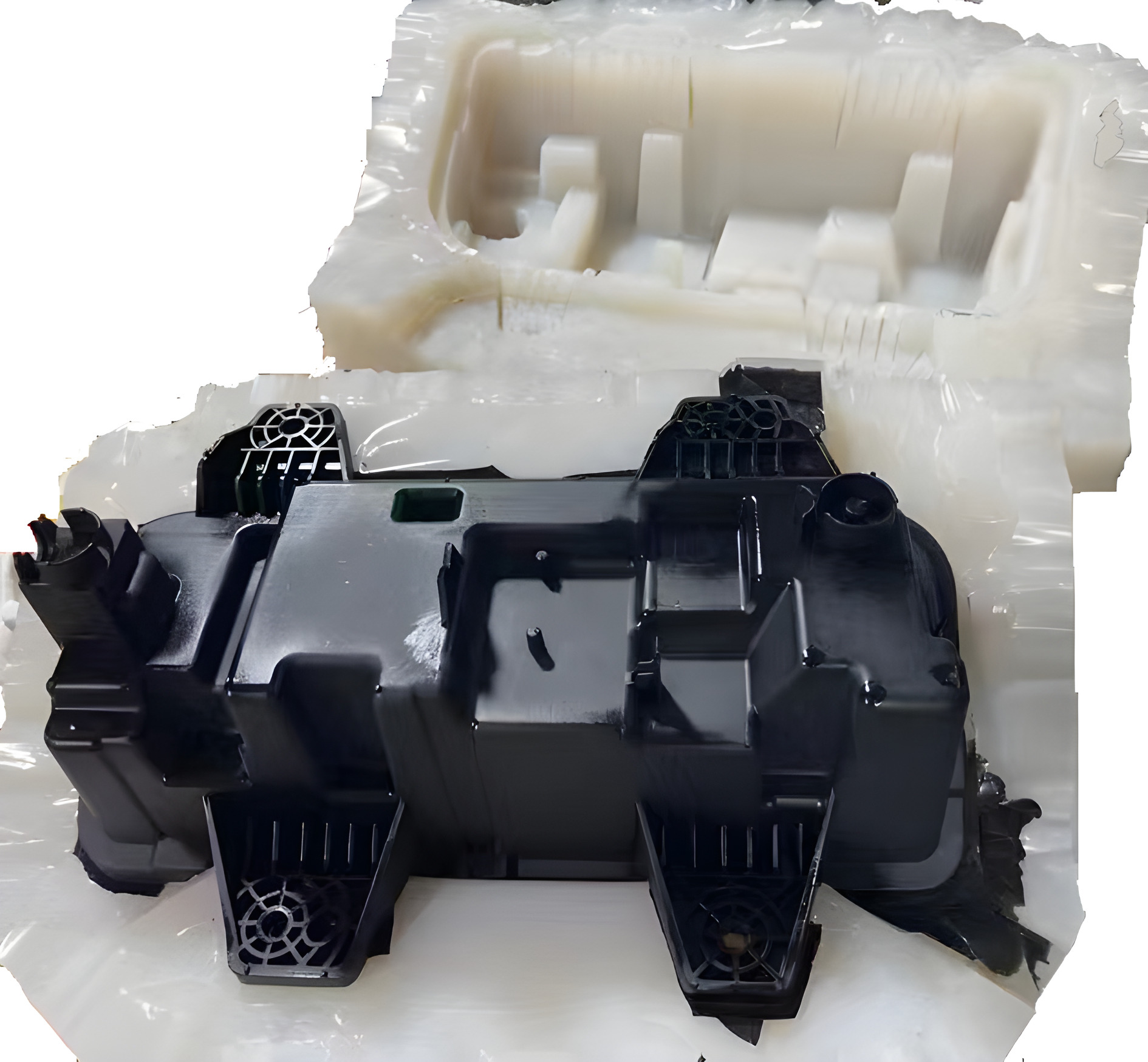
Another practical benefit of ultrasonic welding lies in its equipment flexibility. While the welding horn and fixture are designed for specific parts, the main welding system can often be reused for different projects by changing the tooling.
This flexibility is particularly valuable for manufacturers that produce multiple products or manage short product life cycles. Instead of investing in entirely new equipment, companies can adapt existing ultrasonic welding systems to new plastic parts, improving return on investment.
Although ultrasonic welding offers many advantages, its success depends heavily on proper part and mold design. Features such as joint geometry, wall thickness, and energy directors must be considered early in the product development stage.
This highlights the importance of working with an experienced mold manufacturer who understands both injection molding and downstream assembly processes. When molds are designed with ultrasonic welding in mind, manufacturers can achieve stronger welds, better appearance, and more stable production results.
In summary, ultrasonic welding provides a combination of speed, cost efficiency, precision, and reliability that makes it an ideal solution for plastic part assembly. Its ability to produce consistent, high-quality welds without consumables or long cycle times aligns well with the demands of modern injection molding production.
When combined with well-designed molds and properly engineered plastic parts, ultrasonic welding helps manufacturers improve productivity while maintaining high quality standards.
At AAA MOULD , we understand that successful plastic products depend on more than just molding. With strong expertise in injection mold design, mold manufacturing, and plastic part production , we help customers consider assembly methods such as ultrasonic welding from the earliest design stage.
Whether you are developing a new plastic component or optimizing an existing product, AAA MOULD is ready to support you with professional mold solutions and manufacturing experience.
Contact AAA MOULD
today to discuss your project and achieve better results from design to final assembly.

RM1223, 12F, No.1, Fuji Bldg, No. 6018 Longgang RD. , Longgang Dist., Shenzhen,China.


Tel: 0086-755-89618186

Contact: Paul Hu 0086-18675501028




 LEAVE MESSAGE