

AAA MOULD
We have more than 20 all-electric injection molding machines, it supports the molding of multiple materials and multiple processes.

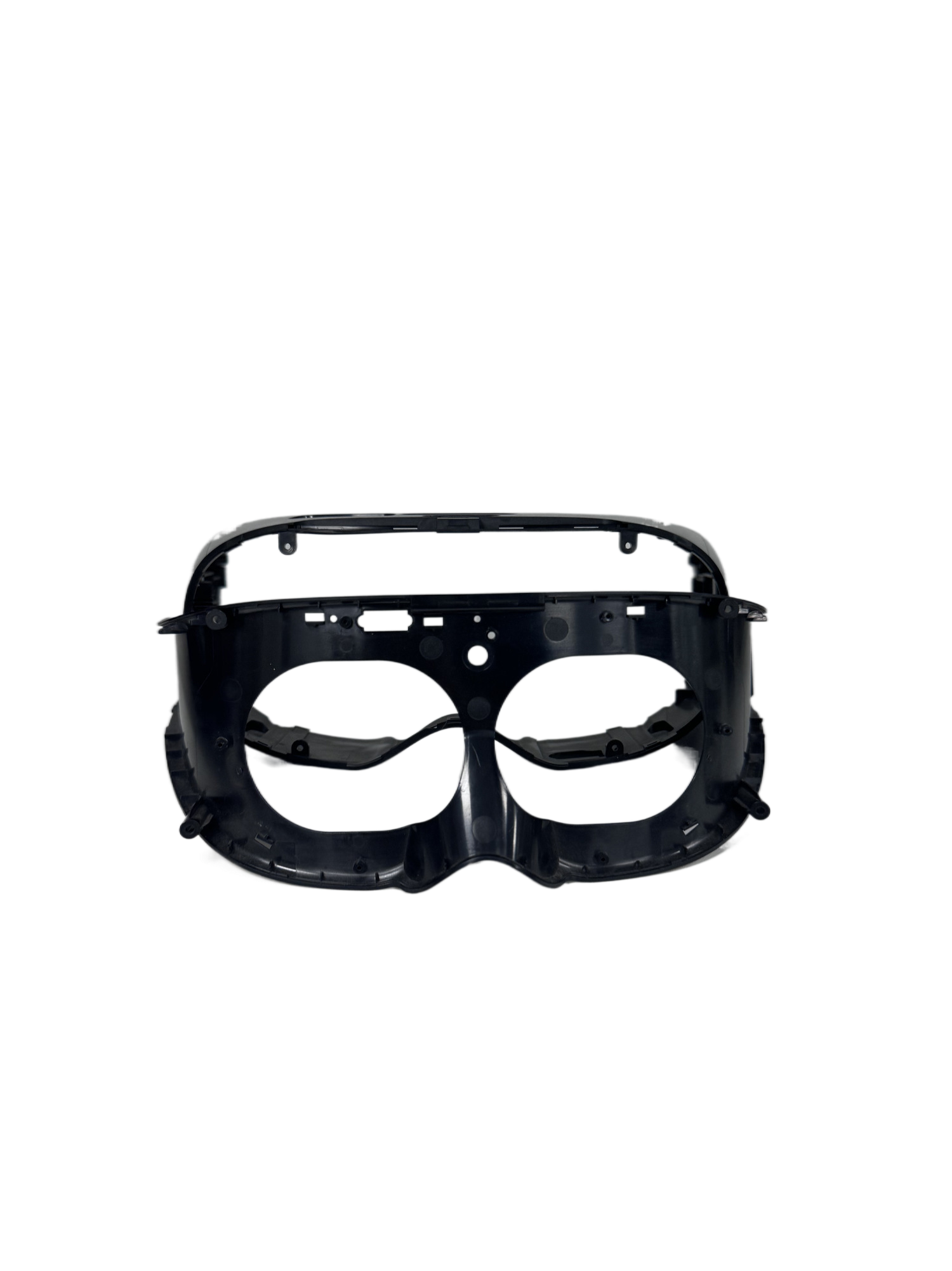

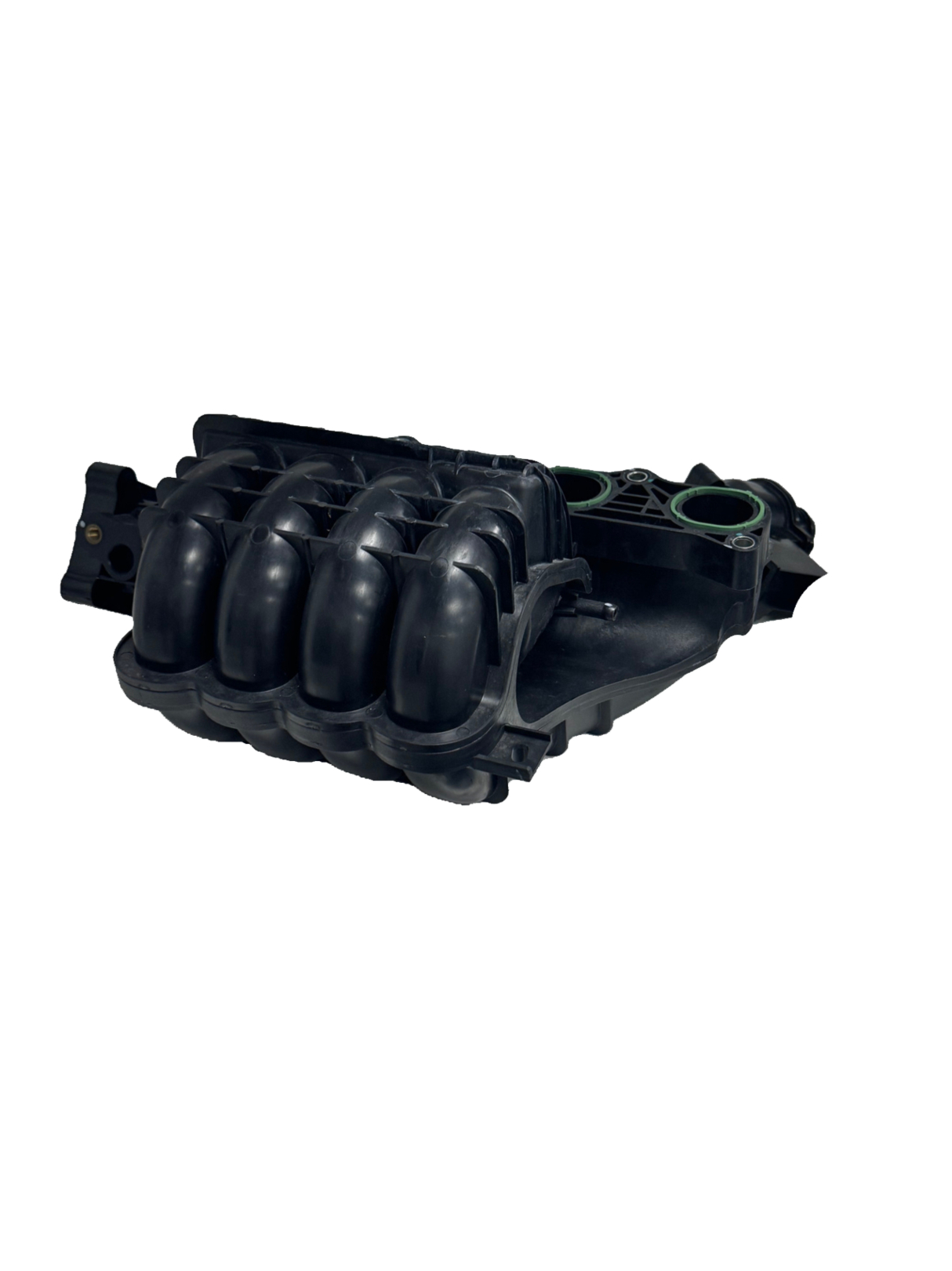
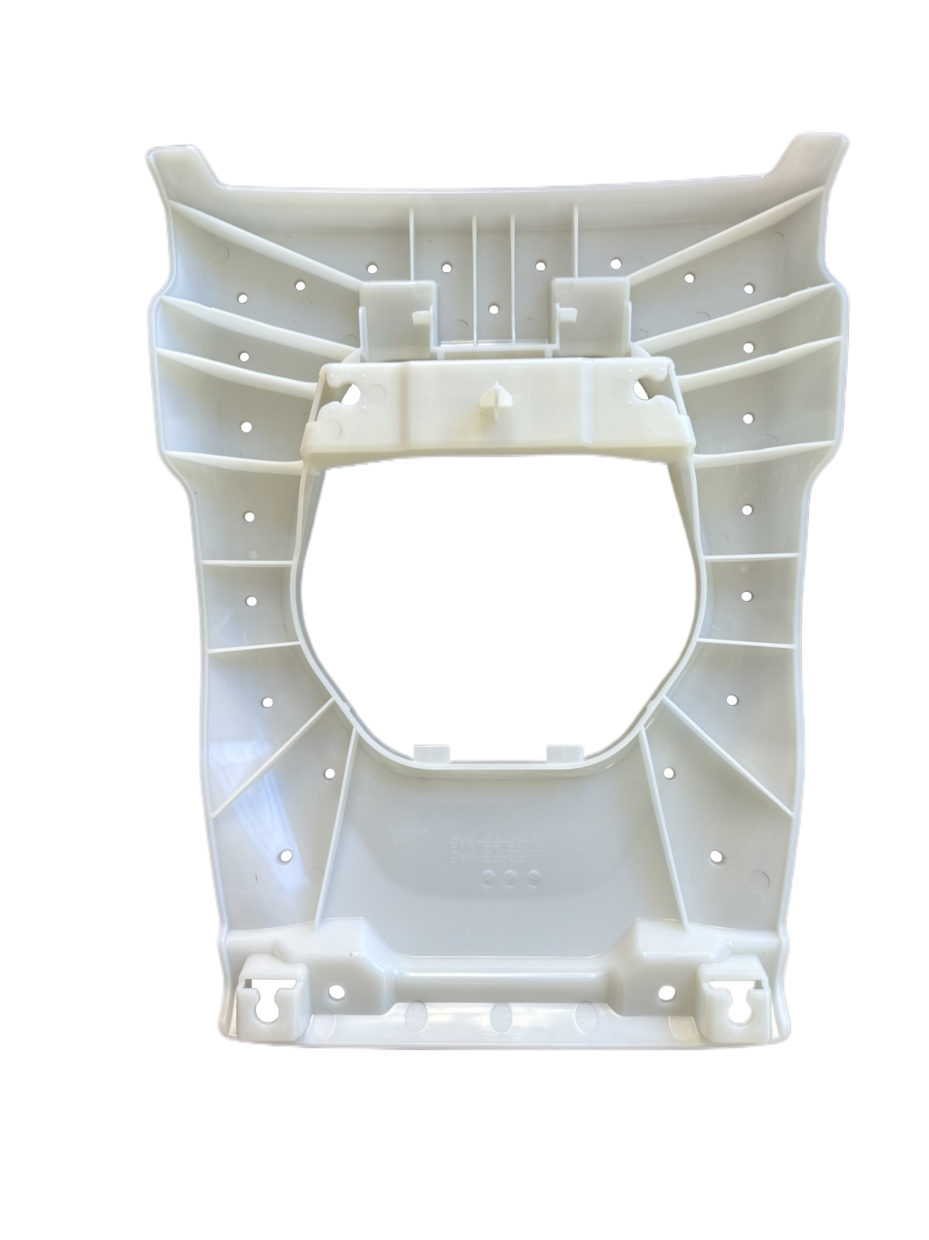
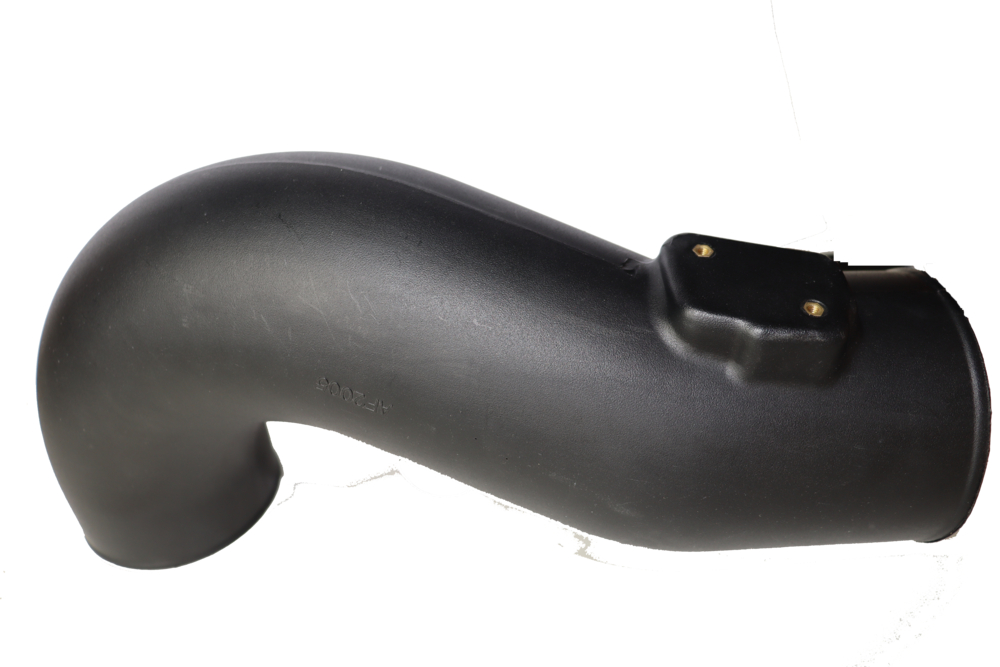

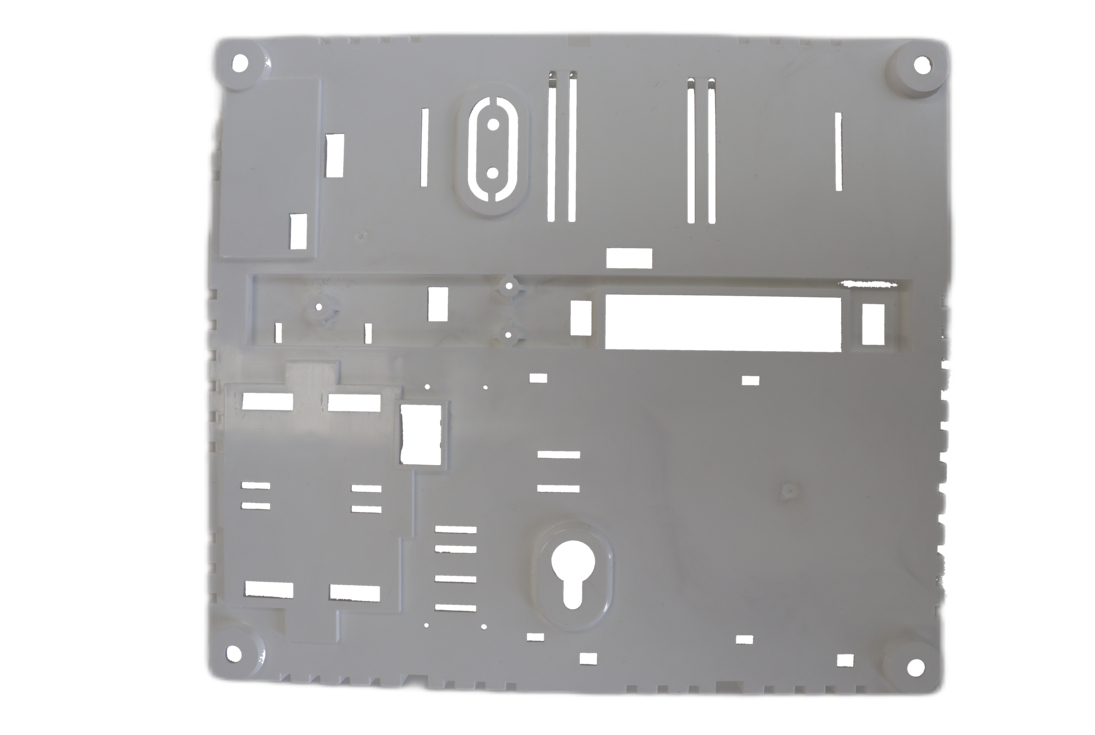
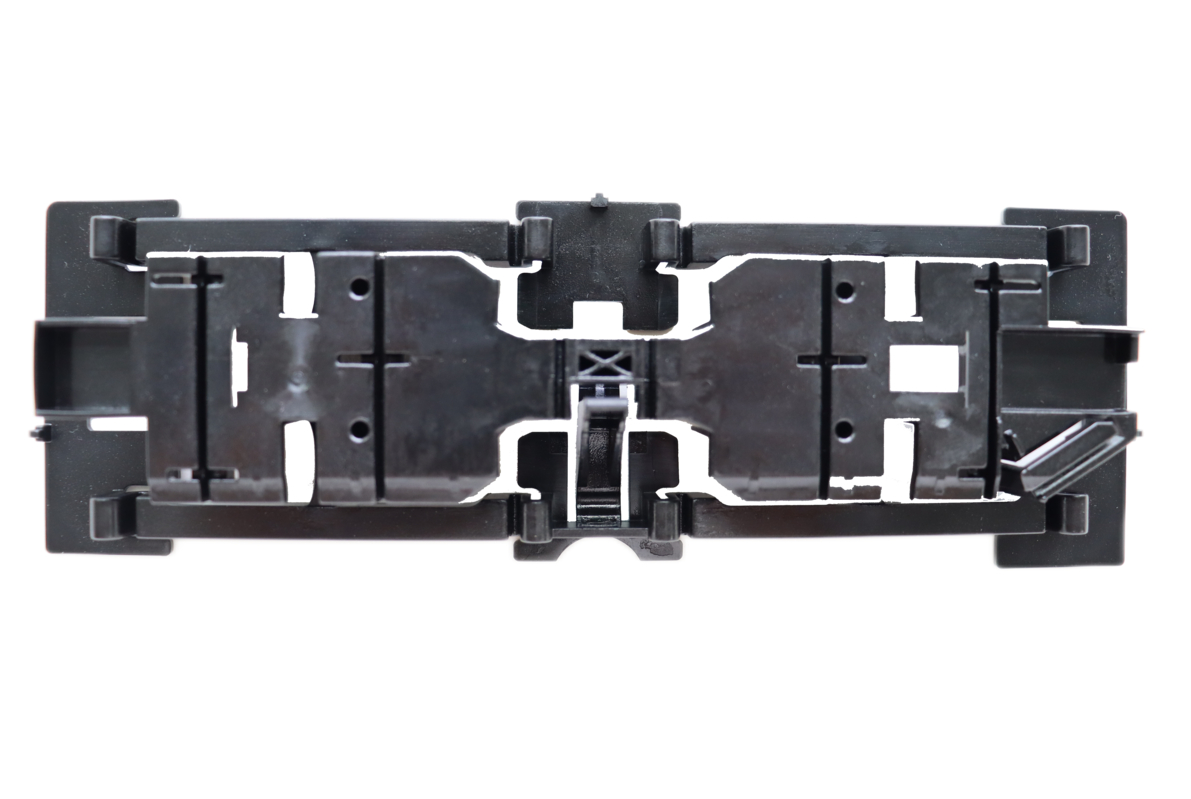
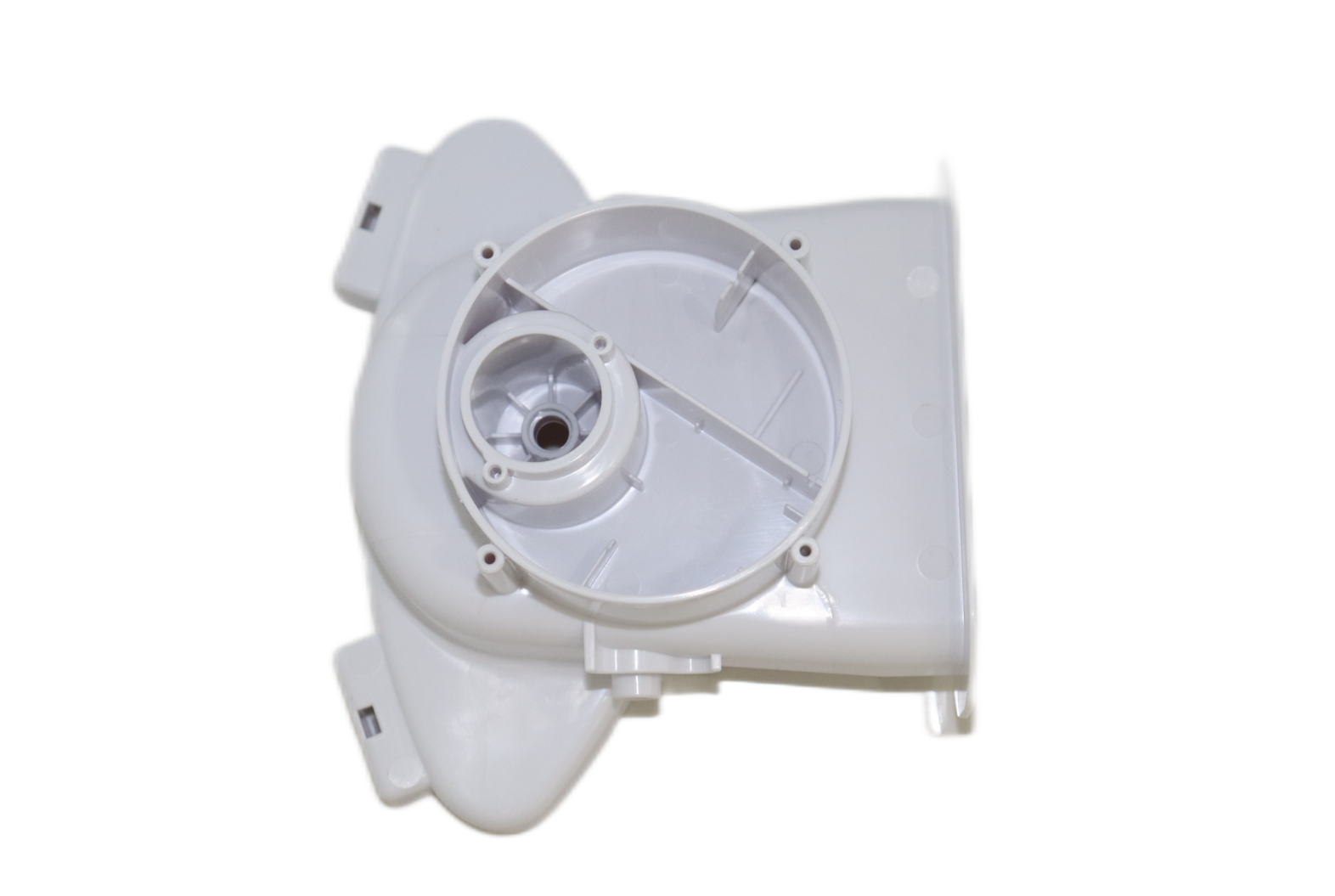
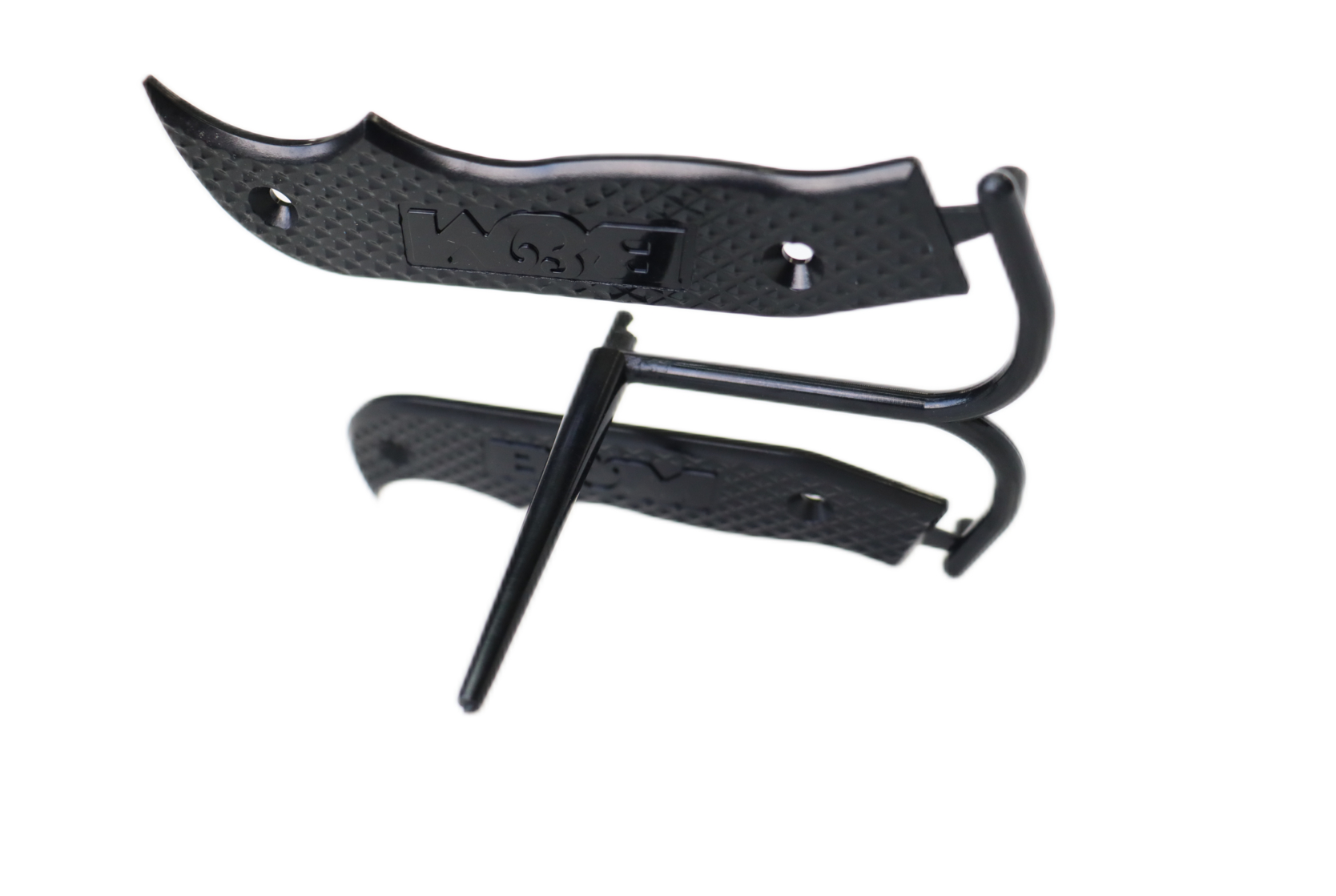
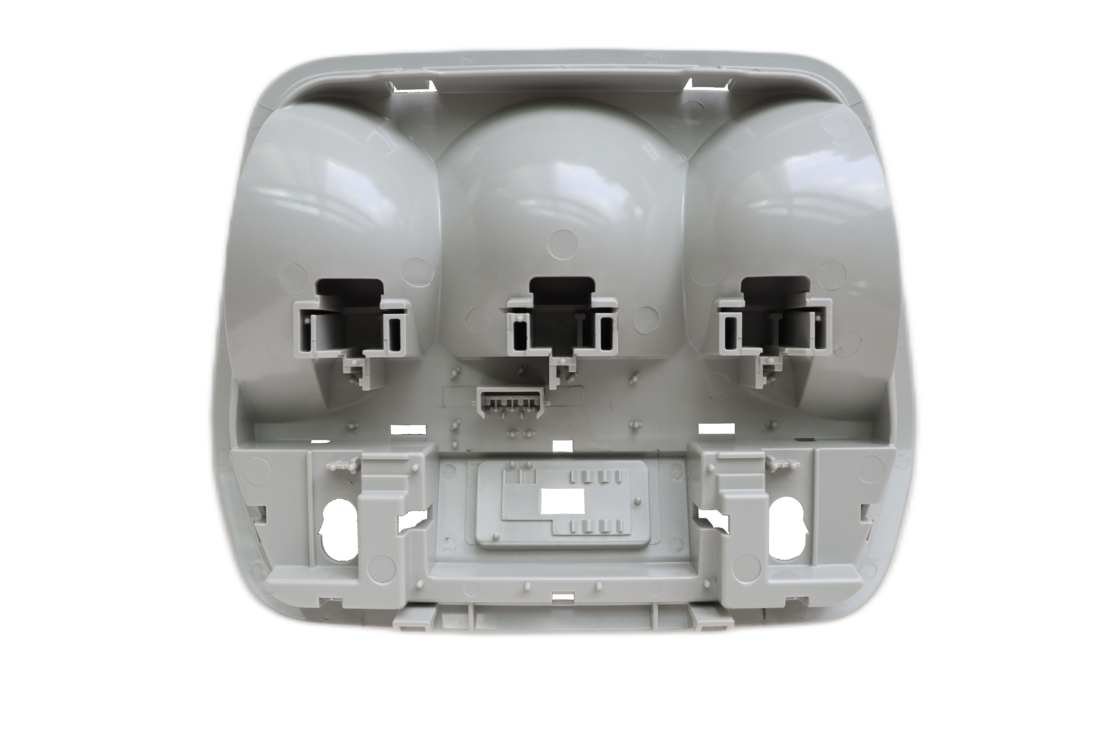
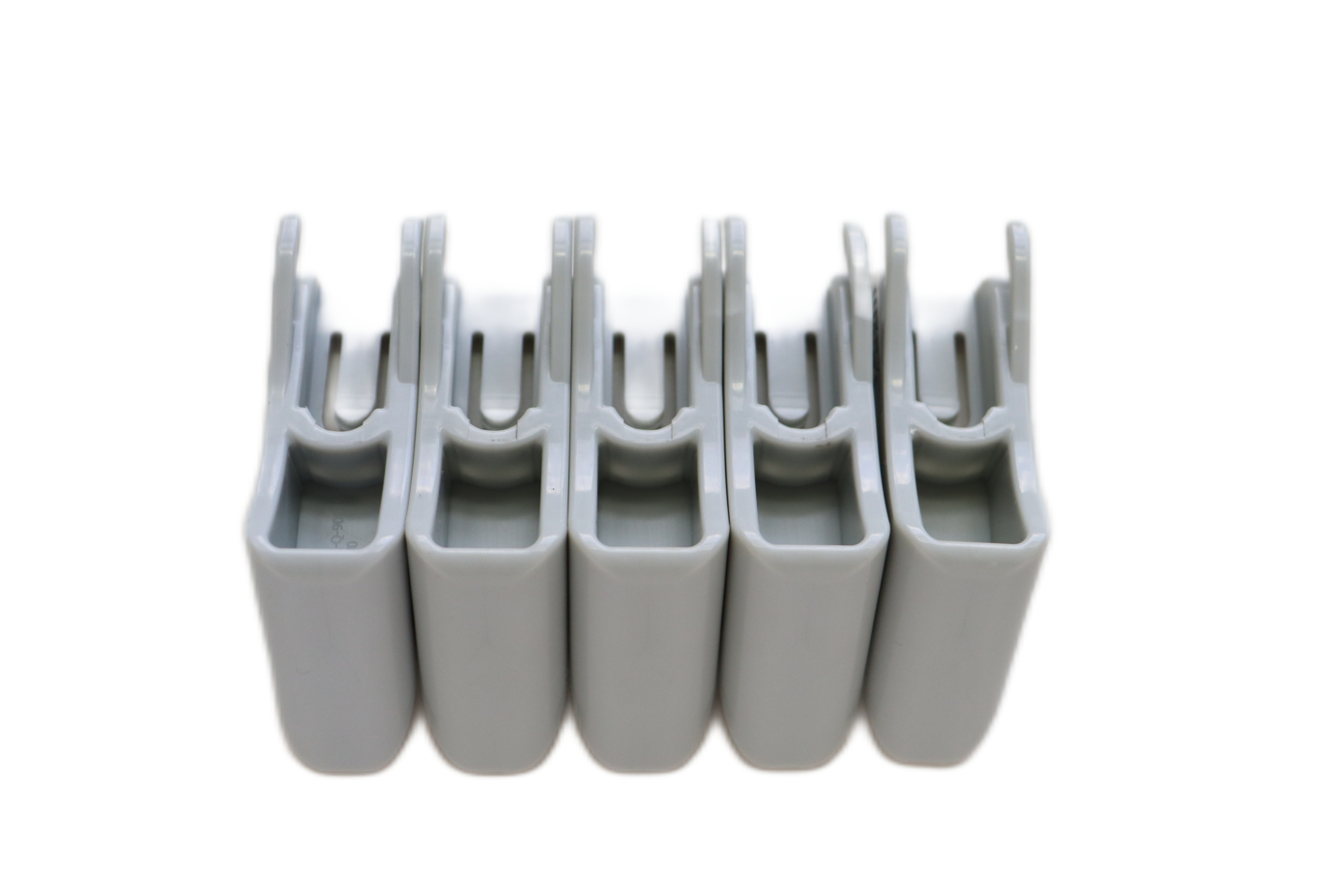
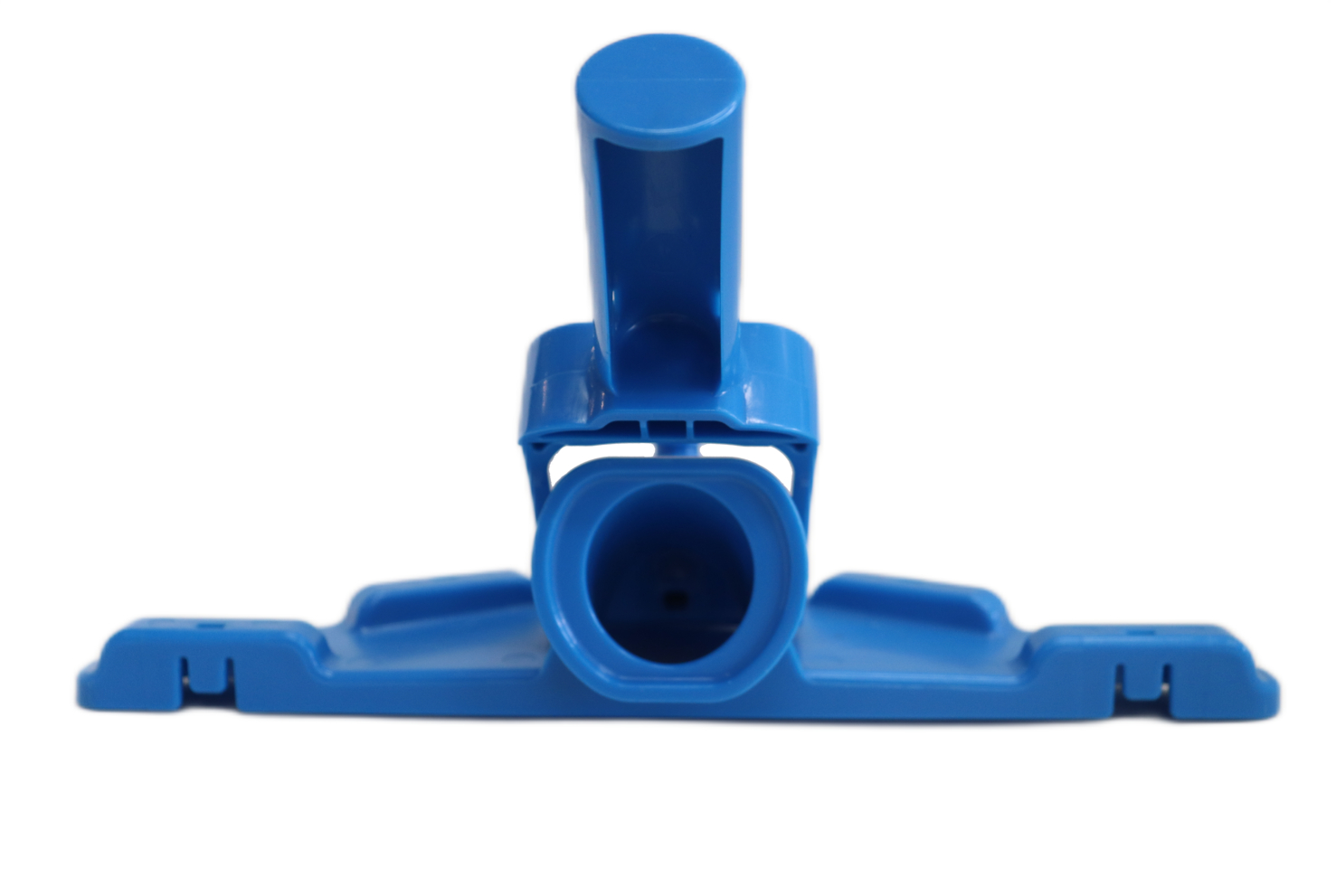
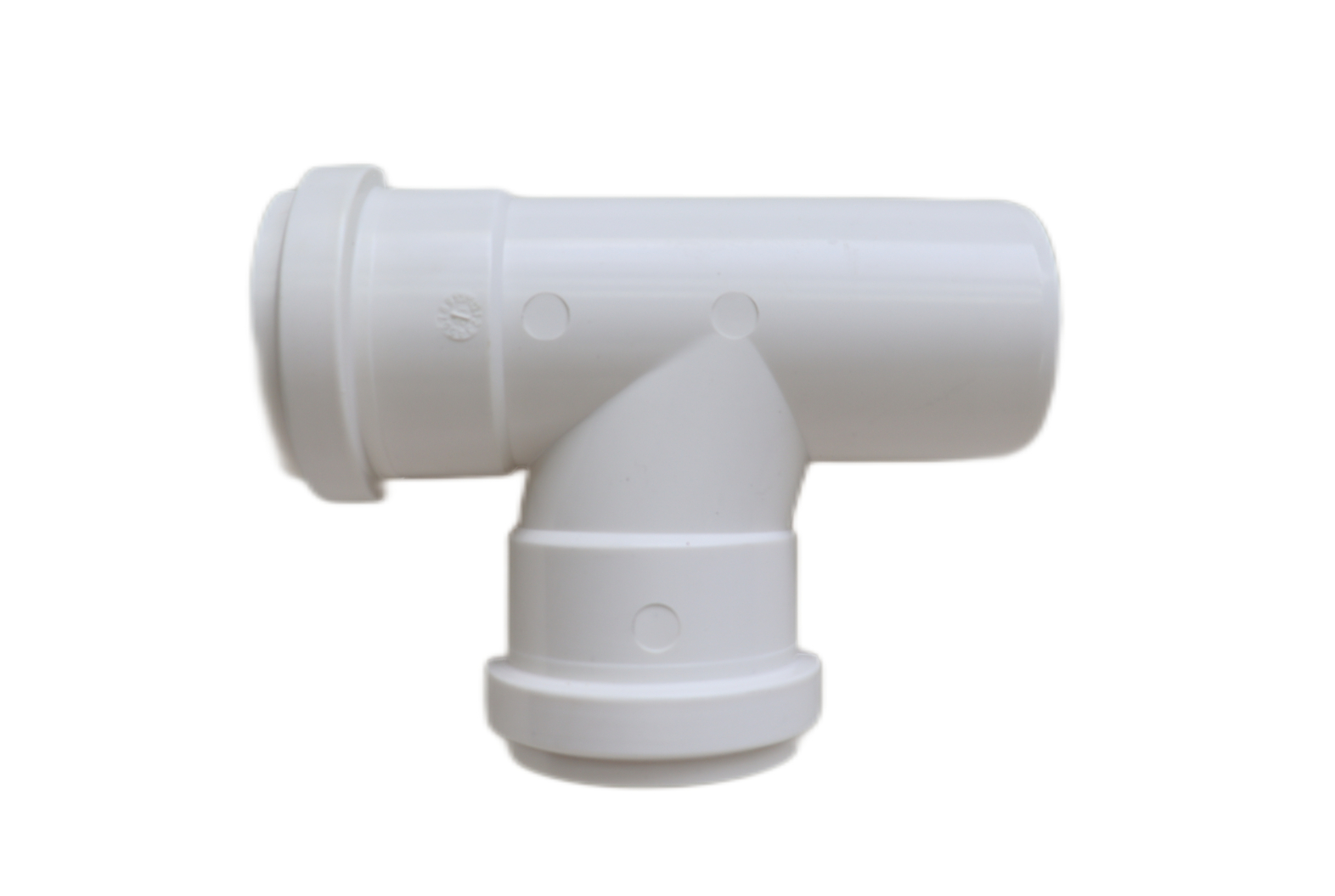

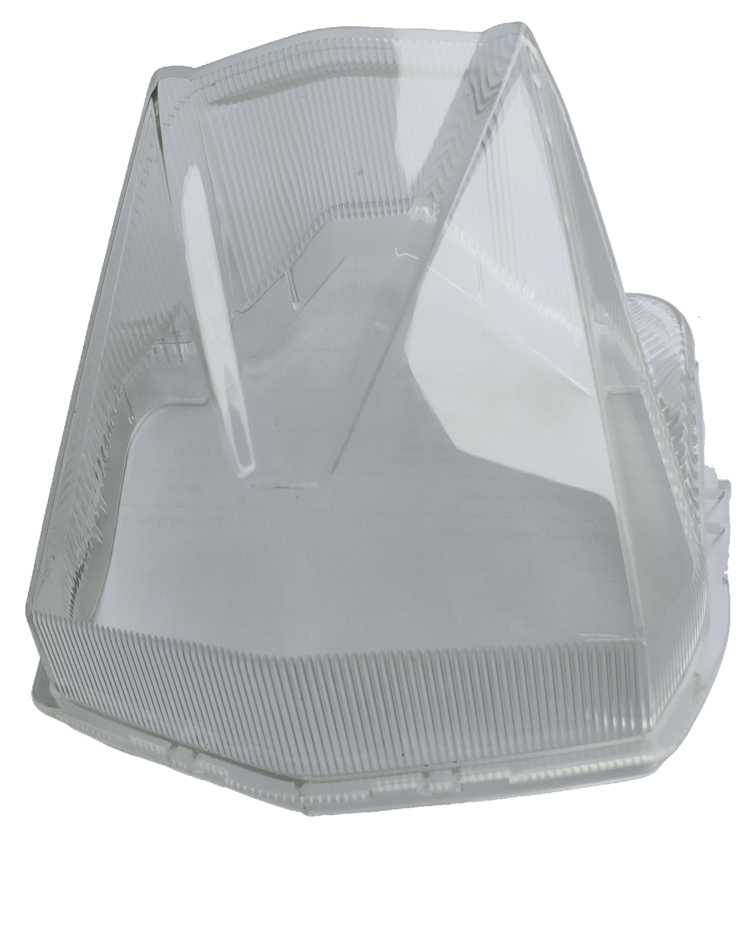
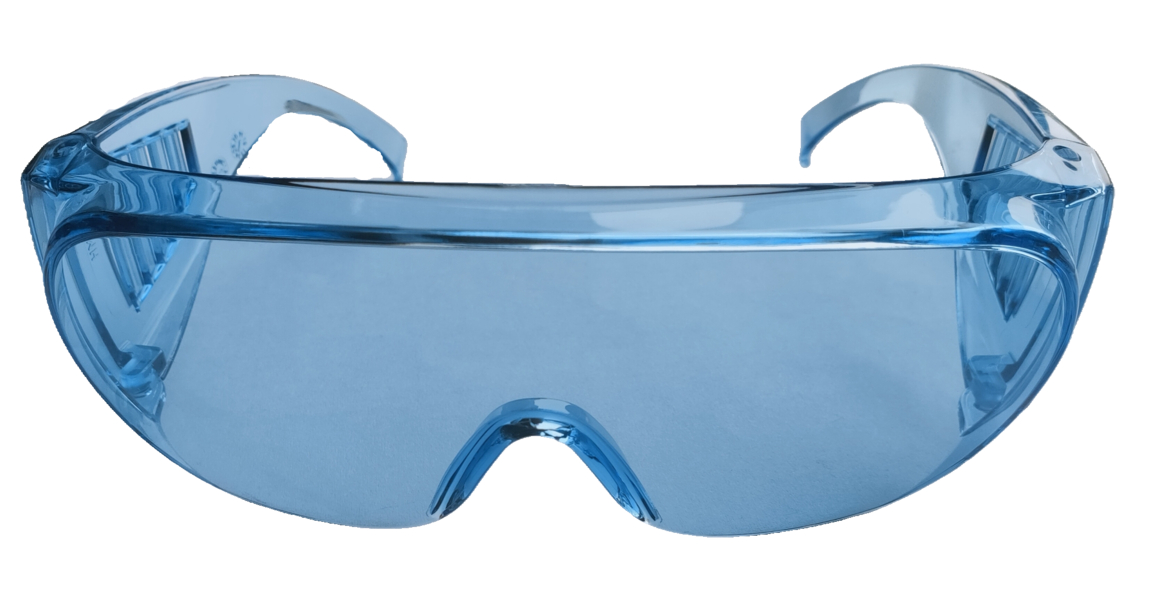
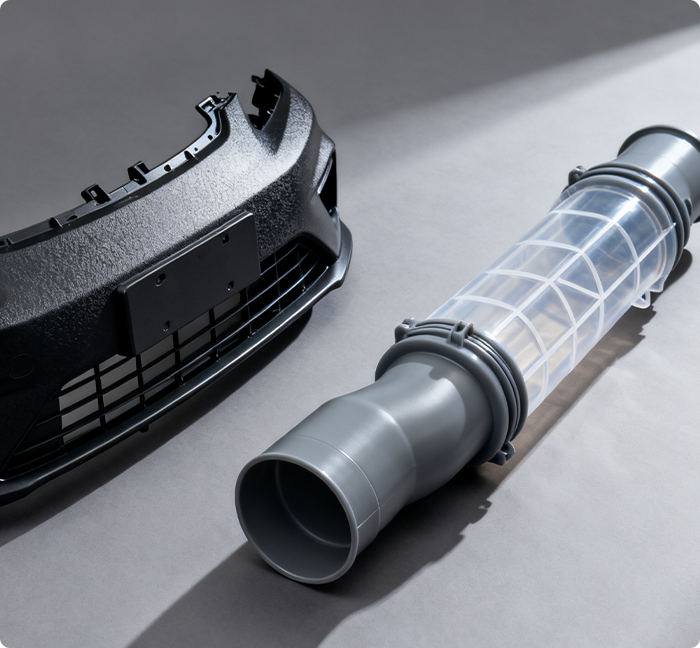

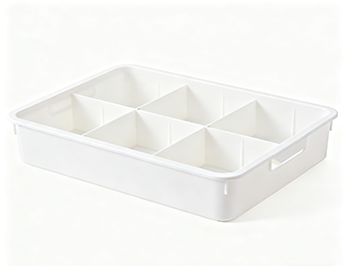
Molten plastic is injected into the mold cavity in one go. After cooling and solidification, the mold is opened to release the product. This is the most commonly used injection molding process.
Application Scope: Suitable for plastic parts with simple structures and single material, such as daily necessities (plastic cups, storage boxes) and electronic accessories (remote control housings).
Advantages: The mold has a simple structure, with low initial investment cost and short debugging cycle. It is suitable for small-batch trial production or rapid delivery of simple plastic parts.
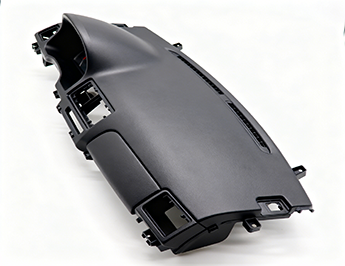
The runner of the mold is maintained at a high temperature to prevent the formation of solidified plastic scraps. Only the plastic inside the mold cavity is cooled and formed.
Application Scope: Suitable for mass production scenarios where raw material waste needs to be reduced, such as automotive interior parts (instrument panel components) and medical consumables (sampling tube housings).
Advantages:The raw material utilization rate is increased by 30%-40%, reducing the cost of waste disposal. At the same time, the gate mark on the plastic part is small, and no subsequent trimming is required, which improves the appearance quality and production efficiency.
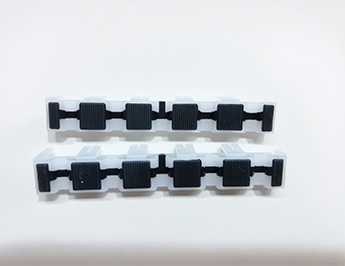
RBy rotating the mold core or using multiple injection nozzles, plastics of different colors/materials are sequentially injected into the same mold to form two-color/multi-color plastic parts in one molding cycle.
Application Scope: Products requiring layered appearance or composite functions, such as mobile phone buttons (combination of soft rubber and hard plastic) and children's toys (multi-color casings).
Advantages: No subsequent assembly or spraying processes are needed, avoiding dimensional deviations caused by multiple processes. Meanwhile, it enables the combination of soft and hard materials, meeting both appearance and functional requirements.
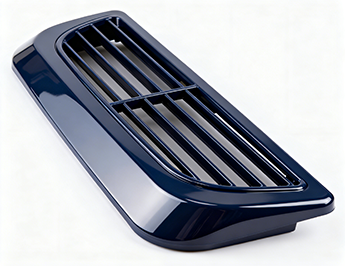
High-pressure gas is injected into the molten plastic to form a hollow structure, reducing uneven wall thickness and sink marks of plastic parts.
Application Scope: Thick-walled or large-sized plastic parts, such as automotive door handles and household appliance casings (air conditioner air outlet panels).
Advantages: The weight of plastic parts is reduced by 15%-25%, lowering raw material costs. At the same time, it eliminates shrinkage cavities and bubbles in thick-walled areas, improving the structural stability and surface flatness of products.
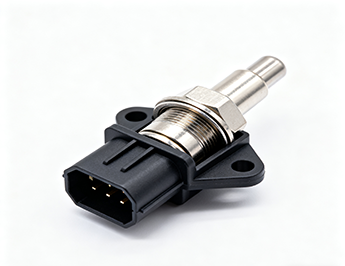
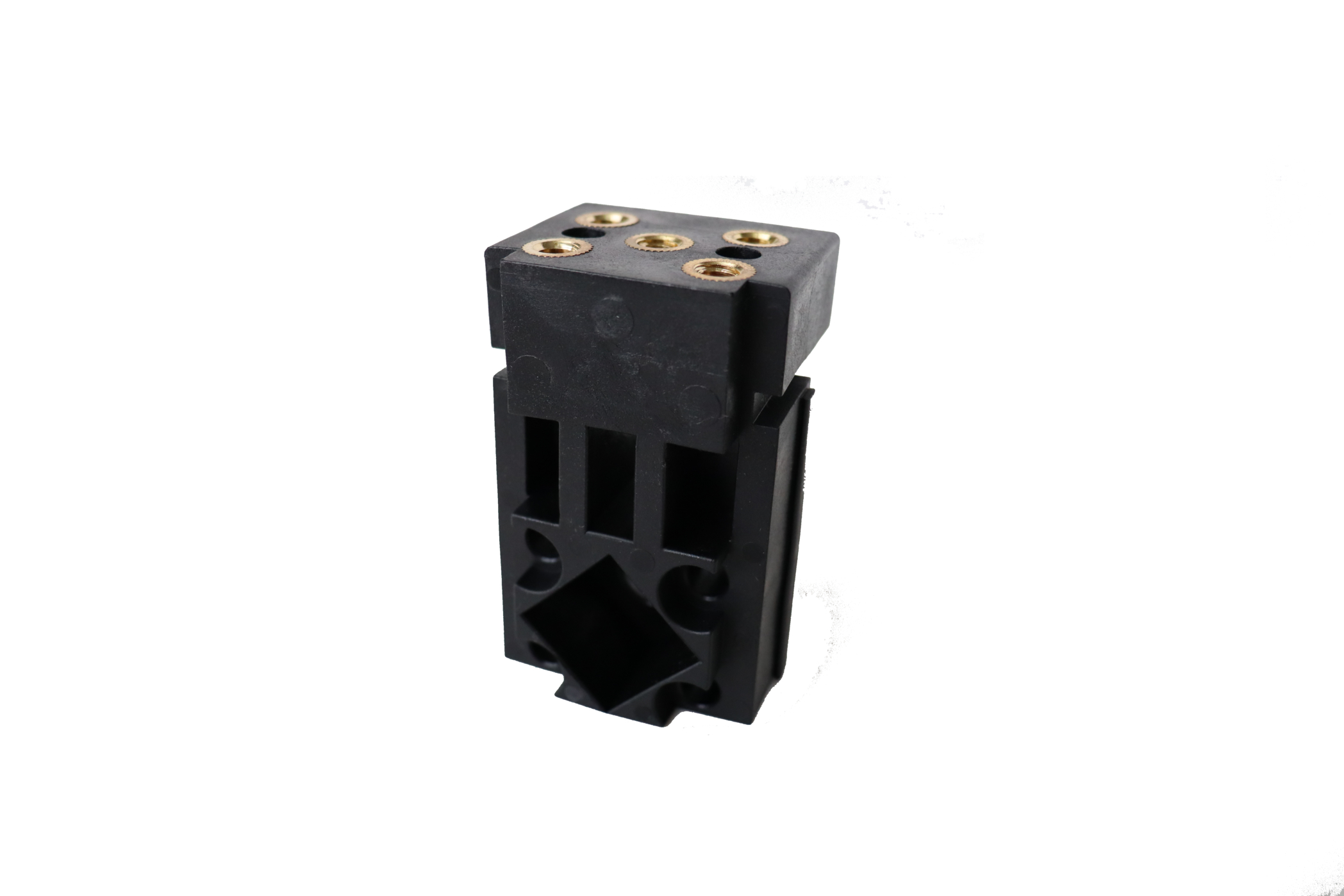
First, metal parts (such as screws and nuts) or inserts of other materials are placed into the mold, and then plastic is injected to make the inserts tightly combine with the plastic parts.
Application Scope: Products requiring structural reinforcement or electrical conductivity, such as electronic connectors (metal pins + plastic housings) and automotive sensors (metal interfaces + plastic bases).
Advantages: Inserts and plastic parts are integrally molded, so the connection strength is much higher than that of post-assembly. Additionally, it reduces manual assembly links, lowering production errors and labor costs.
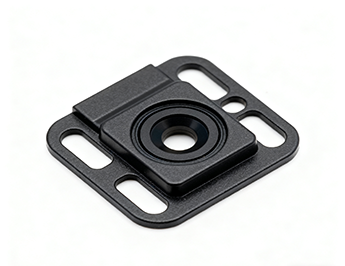
By using high-precision molds, strict temperature control and pressure control, the dimensional tolerance of plastic parts can be within ±0.01mm, and the surface precision can reach a mirror level.
Application Scope: High-end electronic and medical products, such as mobile phone camera module brackets and medical syringe push rods.
Advantages: It meets the strict requirements of high-end products for dimensional stability and surface finish, reduces subsequent correction processes, and improves product qualification rate and service life.

RM1223, 12F, No.1, Fuji Bldg, No. 6018 Longgang RD. , Longgang Dist., Shenzhen,China.


Tel: 0086-755-89618186

Contact: Paul Hu 0086-18675501028


 LEAVE MESSAGE