CNC Machined Parts

What is CNC Machining?

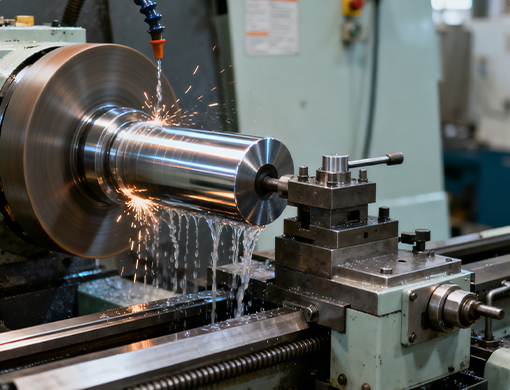
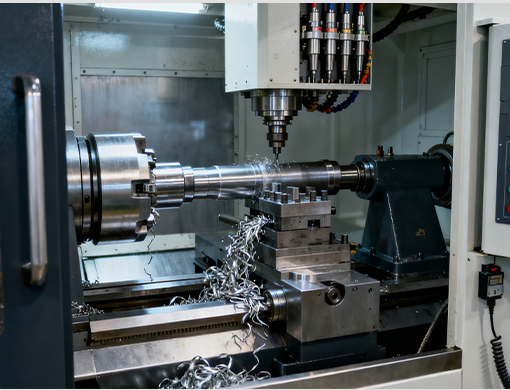
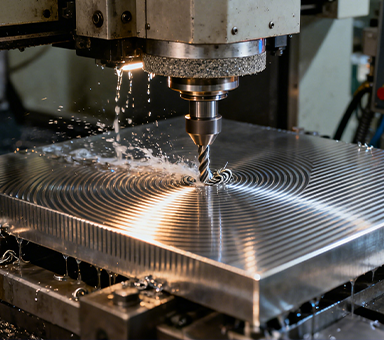
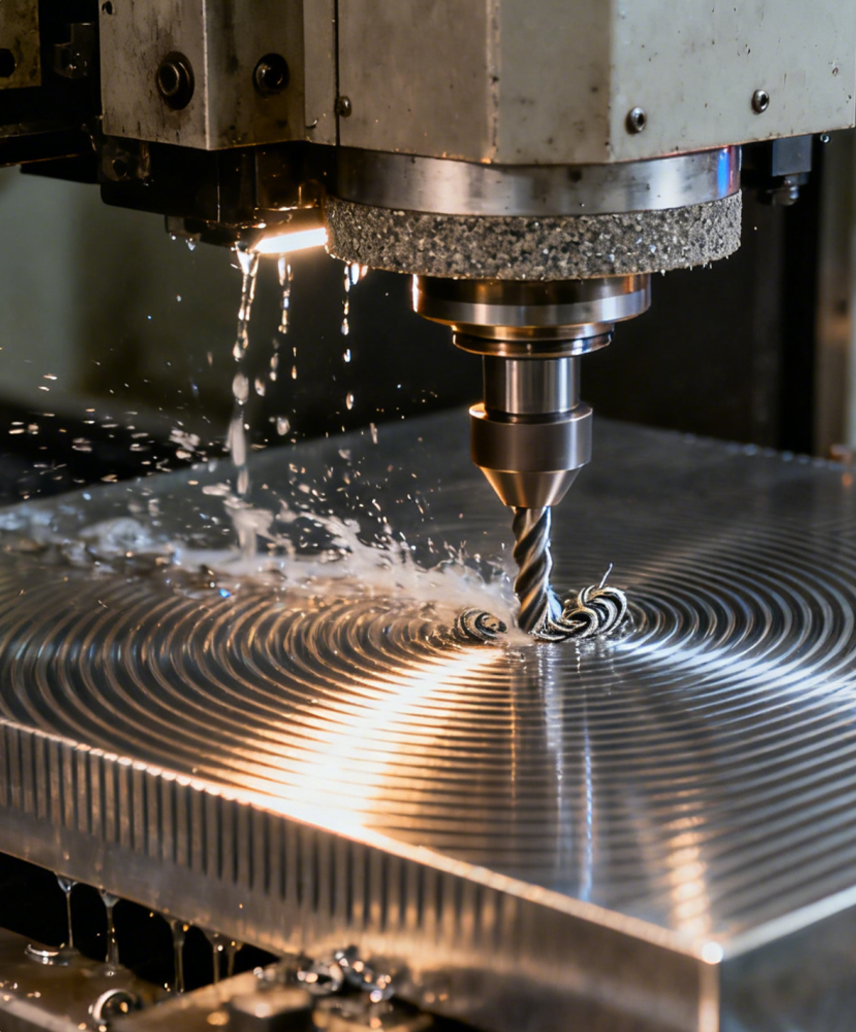
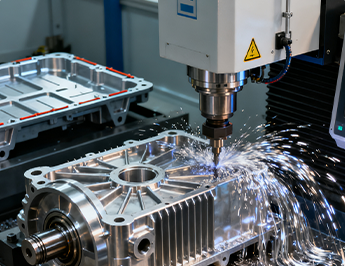
CNC Machining (Computer Numerical Control Machining) is a technology that enables automatic control of machine tools via computer programs for precision processing of materials such as metals and plastics. It replaces traditional manual operations with digital instructions to accurately control tool paths and machining parameters, allowing for efficient production of workpieces with complex shapes and high-precision requirements. As such, it serves as the core driver for the transformation of modern manufacturing from "manual-driven" to "intelligent-driven".

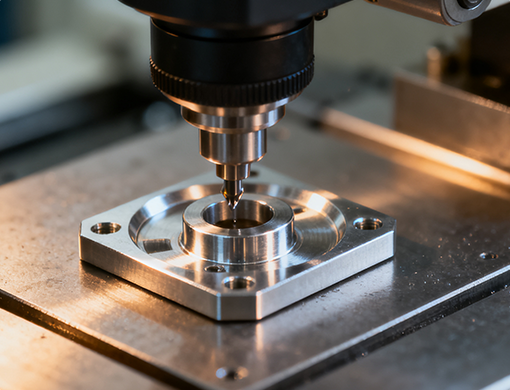
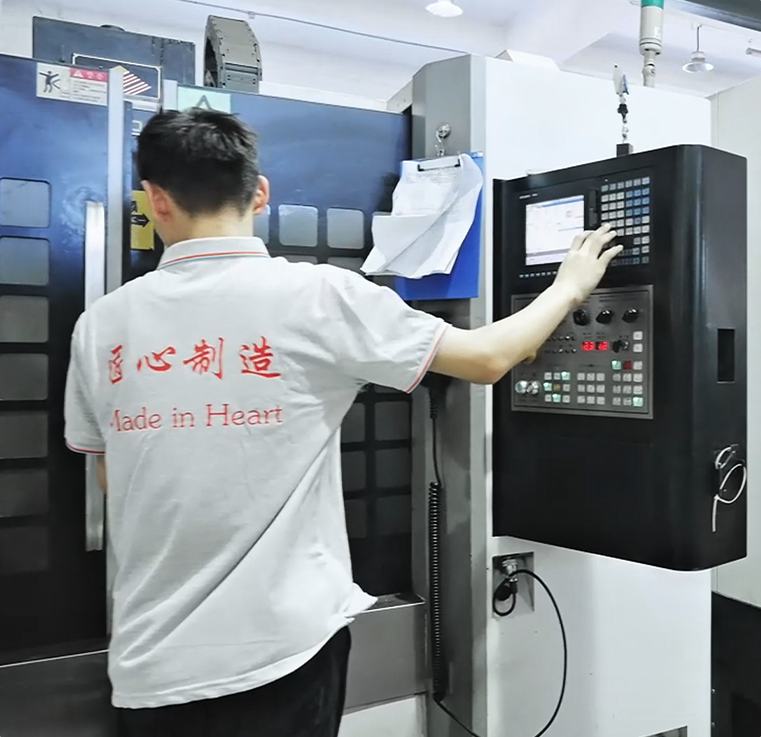
As an enterprise specialized in precision manufacturing, AAA MOULD deeply applies CNC machining technology throughout the entire process of mold R&D, customization, and production — from high-precision milling of mold cavities to efficient processing of complex structural parts. The CNC system acts as the core driving force, which not only ensures the dimensional accuracy and quality stability of mold products but also provides customers with more flexible customized solutions.

Materials for CNC Machining

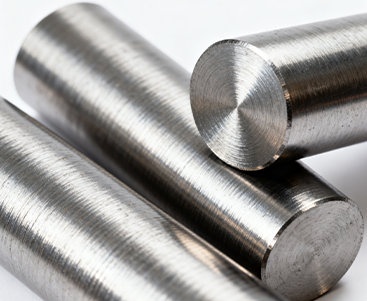
Metal Materials
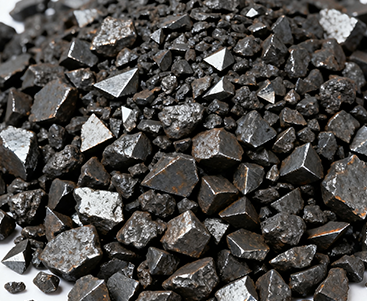
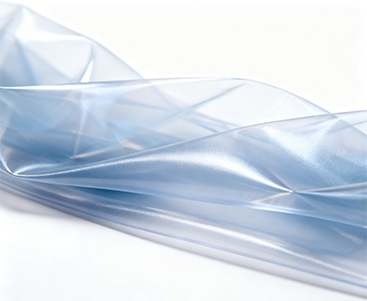
Non-Metallic Materials
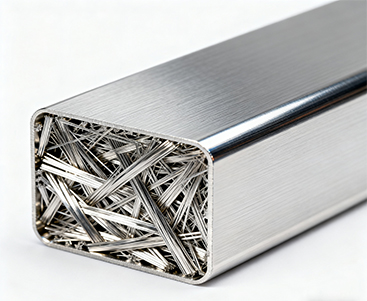
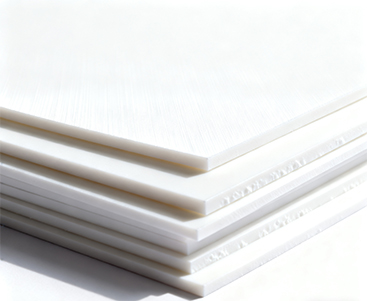
Composite Materials
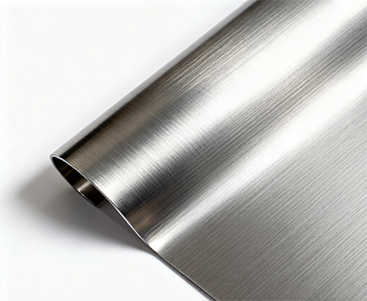
Ferrous Metals
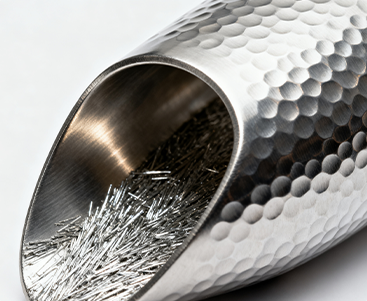
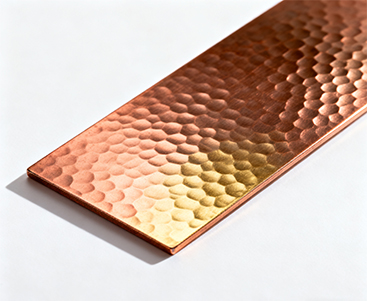
Non-Ferrous Metals
  • · Core Grades: Q235 (low-carbon steel), 45# (medium-carbon steel), T10 (high-carbon steel).
    · Properties: Low-carbon steel is easy to machine and has low hardness (HB100-150); medium-carbon steel has moderate strength (approximately σb=600MPa); high-carbon steel has high hardness (HB200-250) but poor toughness.
    · Machining Challenges: Low-carbon steel tends to cause tool adhesion during cutting; high-carbon steel requires machining after quenching, leading to relatively fast tool wear.
  • · Core Grades: 40Cr (chromium steel), 20CrMnTi (carburizing steel), 38CrMoAl (nitriding steel).
    · Properties: Higher strength and better toughness than carbon steel; some grades can have their hardness improved (HRC40-60) through heat treatment (quenching, carburizing, nitriding).
    · Machining Challenges: Hardness increases after heat treatment; cemented carbide tools are required, and cutting speed needs to be reduced by approximately 30%.
  • · Core Grades: 304 (austenitic), 316 (corrosion-resistant austenitic), 420 (martensitic).
    · Properties: 304/316 are corrosion-resistant and non-magnetic; 420 can be hardened by quenching (HRC50-55) but has poor thermal conductivity (only 1/3 of that of carbon steel).
    · Machining Challenges: Austenitic stainless steel is prone to work hardening, with severe chip adhesion to the tool; cobalt-containing high-speed steel or cubic boron nitride (CBN) tools are required, paired with cooling and lubricating fluids.
  • · Core Grades: HT200 (gray cast iron), QT450 (ductile iron), Cr12MoV (alloy cast iron).
    · Properties: Gray cast iron has moderate hardness (HB180-220) and good vibration damping; ductile iron has better toughness than gray cast iron; alloy cast iron has high hardness (HB300-400).
    · Machining Challenges: A large amount of dust is generated during cutting, which easily causes tool wear; wear-resistant tools are required, and dust removal is necessary during machining.
  • Aluminum Alloys
    · Core Grades: 6061 (wrought aluminum), 7075 (high-strength aluminum), 5052 (corrosion-resistant aluminum).
    · Properties: Low density (2.7g/cm³) and excellent thermal conductivity. 6061 is easy to machine and has good toughness; 7075 offers high strength (σb=500MPa); 5052 features strong corrosion resistance.
    · Machining Challenges: Prone to burr formation. Sharp tools are required for high-speed cutting to avoid built-up edges (BUE).
  • Copper Alloys
    · Core Grades: H62 (brass), H90 (high-copper brass), QSn6.5-0.1 (tin bronze).
    · Properties: Excellent electrical and thermal conductivity. Brass is easy to machine; tin bronze has good wear resistance and impact resistance.
    · Machining Challenges: Brass tends to produce "continuous chip" during cuttingcutting speed must be controlled to prevent chip entanglement on the tool. Tin bronze has slightly higher hardness, so sharp tools are required.
  • Titanium Alloys
    · Core Grades: TC4 (α+β type), TA2 (commercially pure titanium), TB6 (β type).
    · Properties: High strength (σb=900MPa), extremely strong corrosion resistance, and low density (4.5g/cm³), but very poor thermal conductivity (only 1/5 that of carbon steel).
    · Machining Challenges: Extremely high cutting temperatures, prone to work hardening, and rapid tool wear. Diamond or cemented carbide tools are required, paired with low-speed cutting (10-30m/min) and sufficient cooling.
Ferrous Metals2
Non-Ferrous Metals2
  • Nylon (PA)
    · Core Grades: PA6 (good toughness), PA66 (high strength), PA6+GF30 (glass fiber reinforced).
    · Properties: Wear-resistant and impact-resistant; strength increases by 50% after glass fiber reinforcement, but it has high hygroscopicity (needs to be dried before machining).
    · Machining Challenges: Prone to deformation when absorbing moisture; cutting speed must be controlled during machining to prevent material softening caused by high temperatures.
  • Polytetrafluoroethylene (PTFE)
    · Properties: Acid- and alkali-resistant, high-temperature resistant (-200~260), and has an extremely low friction coefficient; commonly known as "the king of plastics," but it has low hardness and is prone to deformation.
    · Machining Challenges: Prone to "tool adhesion" and deformation during cutting; sharp tools and low cutting speed are required, and shaping is needed after machining.
  • ABS
    · Properties: Easy to machine, with a smooth surface; balances toughness and rigidity, and can be dyed or electroplated.
    · Machining Challenges: Chips tend to stick during high-speed cutting; air cooling or water cooling is required to prevent material melting.
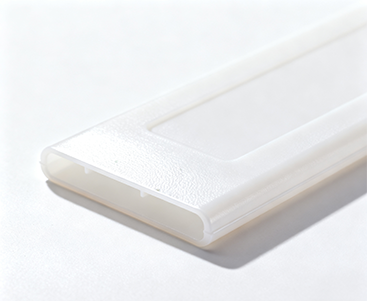
  • Polycarbonate (PC)
    · Properties: Good transparency (light transmittance of 90%), strong impact resistance, and high-temperature resistant (120).
    · Machining Challenges: Prone to scratches during cutting; high cutting speed and sharp tools are required, and polishing is needed after machining.
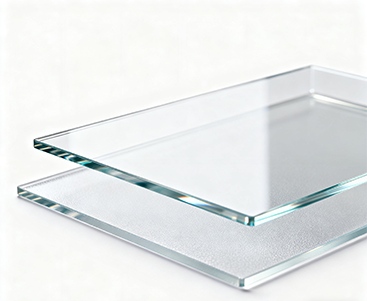
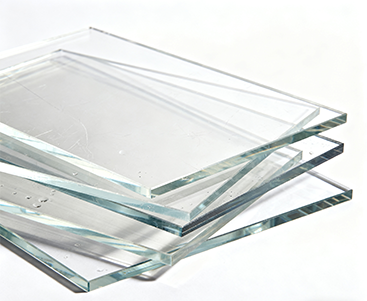
  • Acrylic (PMMA)
    · Properties: Excellent transparency (light transmittance of 92%), easy to dye, and moderate hardness (HB80-100).
    · Machining Challenges: Prone to edge chipping and debris generation during cutting; fine-tooth tools are required, and the feed rate must be controlled.
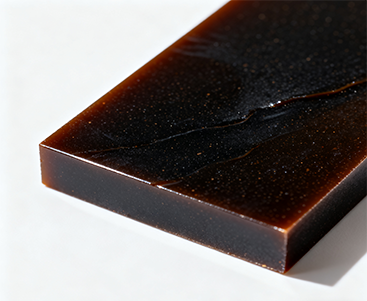
  • Phenolic Resin
    · Properties: High-temperature resistant (200), good insulation performance, and high hardness (HB200-250), but high brittleness.
    · Machining Challenges: Prone to brittle fracture during cutting; low cutting speed, small feed rate, and sharp tools are required.
Ferrous Metals3
Non-Ferrous Metals3
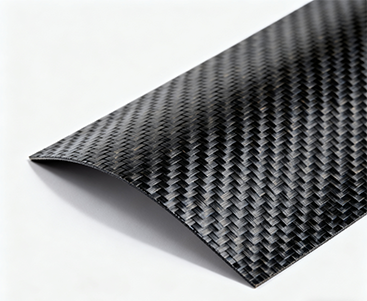
  • Carbon Fiber Reinforced Polymer (CFRP)
    · Composition: Carbon fiber + epoxy resin (or phenolic resin).
    · Properties: High strength (σb=1500MPa), extremely low density (1.6g/cm³), corrosion resistance; its specific strength is 5 times that of steel.
    · Machining Challenges: Carbon fiber has high hardness and easily causes tool wear; diamond-coated or polycrystalline diamond (PCD) tools are required. Dust is generated during cutting (protection is needed), and fiber delamination is prone to occur.
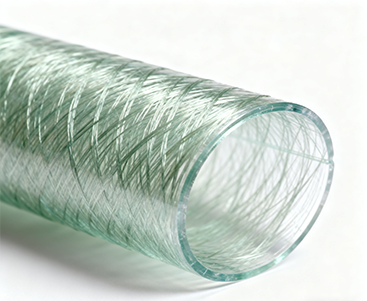
  • Fiber-Reinforced Plastic (FRP)
    · Composition: Glass fiber + polyester resin (or epoxy resin).
    · Properties: Moderate strength (σb=300-500MPa), lower cost than carbon fiber, corrosion resistance, and good insulation performance.
    · Machining Challenges: Glass fiber easily causes tool wear; irritating dust is generated during cutting; cemented carbide tools + protective equipment are required.
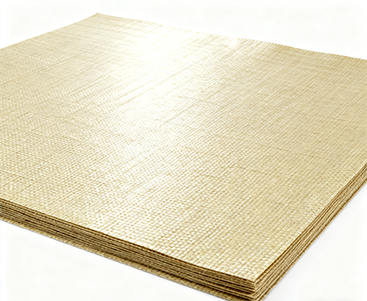
  • Aramid Fiber Reinforced Polymer (KFRP)
    · Composition: Aramid fiber + epoxy resin.
    · Properties: Extremely high toughness, impact resistance, high-temperature resistance (250), and density of 1.44g/cm³.
    · Machining Challenges: Fibers easily wrap around the tool; fine-tooth, sharp tools and low-speed cutting are required.
  •  
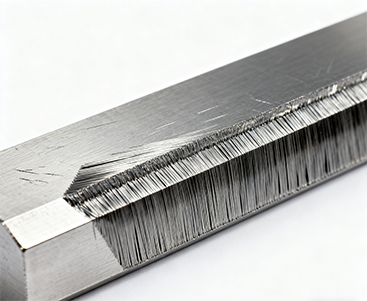
  • Metal Matrix Composite (MMC)
    · Examples: Aluminum matrix silicon carbide , titanium matrix boride .
    · Properties: Combines the toughness of metals and the hardness of ceramics; wear-resistant and high-temperature resistant.
    · Machining Challenges: Extremely high hardness causes severe tool wear; cubic boron nitride (CBN) or diamond tools are required, along with low-speed cutting.
  •  
  •  

CNC Machined Parts

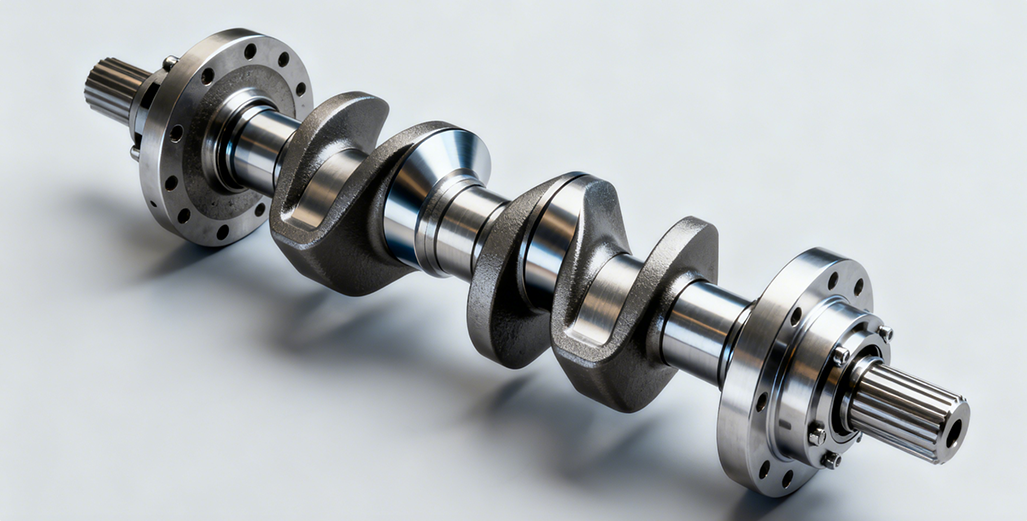
Automotive Engine Crankshaft
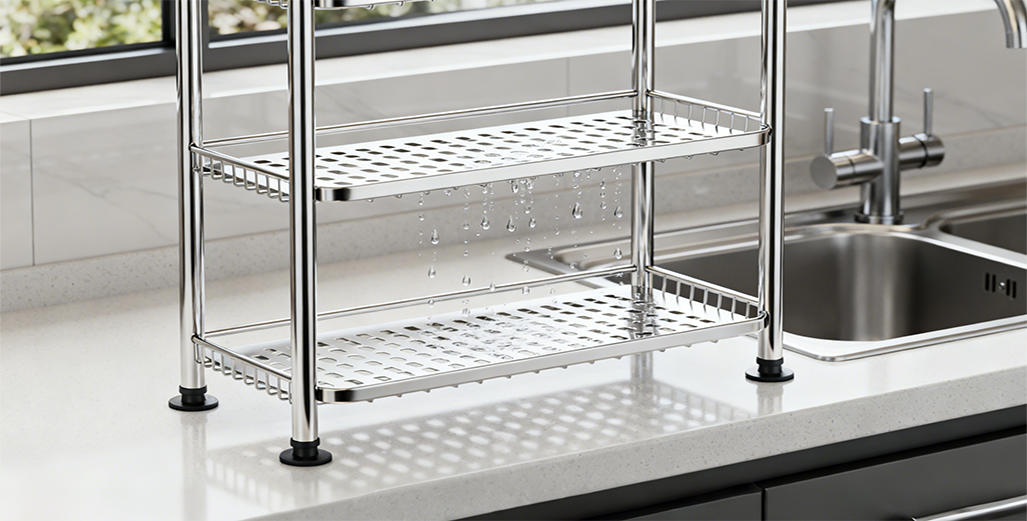
Multi-Functional Kitchen Storage Rack
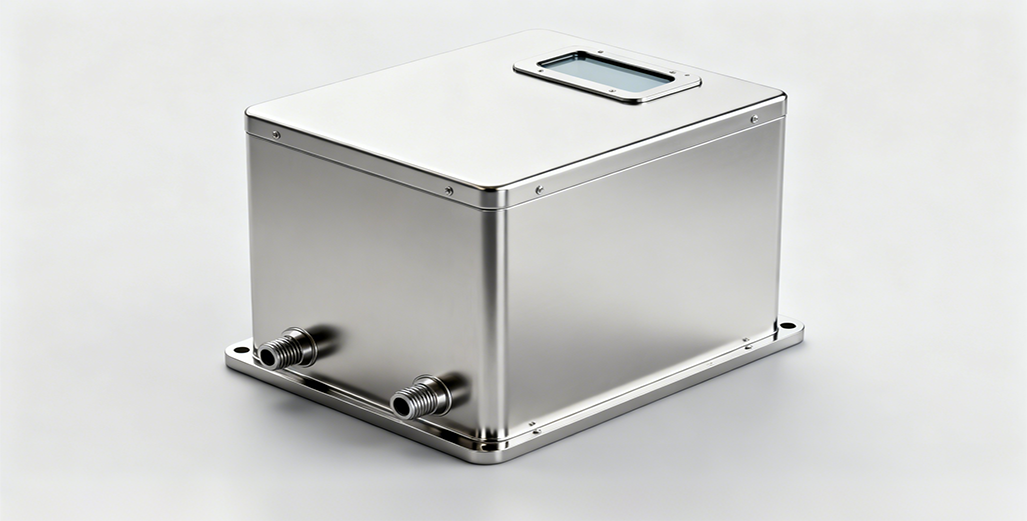
New Energy Lithium Battery Shell
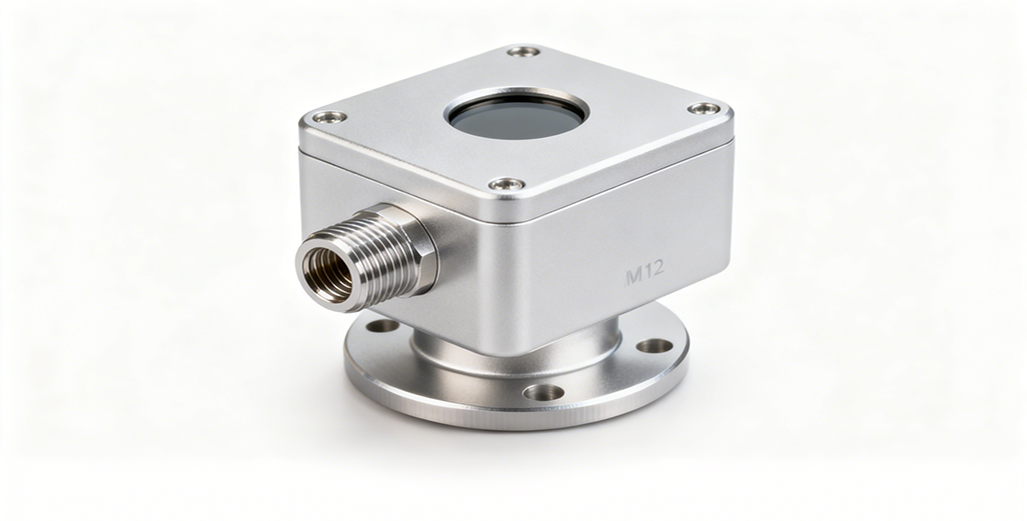
Industrial Sensor Housing
Hydraulic Valve Block
Automotive Engine Crankshaft

Appearance and Structure It has an overall slender shaft shape with a smooth and flat surface. Precision crank structures are arranged at key positions, and the crank radius error is controlled within a reasonable range. The journal surface undergoes fine grinding treatment, featuring uniform glossiness without obvious scratches or burrs. Connecting flanges are equipped at both ends, with accurately positioned bolt holes on the flanges; the hole diameter tolerance meets assembly requirements to ensure stable installation.

Performance Characteristics It is processed using high-quality 45# steel. After professional quenching and tempering treatment, it possesses excellent fatigue resistance and wear resistance. It can stably transmit power under normal operating speeds, effectively preventing the engine's overall operating efficiency from being affected by structural deformation, and is suitable for various power output needs.

Application Scenarios It provides core component support for automobile manufacturers and agricultural vehicle factories. It can be integrated into the engine assembly system of light trucks, passenger cars, agricultural machinery, and other vehicle types, meeting the precision and stability requirements for power transmission components in different vehicle models.

Multi-Functional Kitchen Storage Rack

Appearance and Structure It is made of 304 stainless steel or aluminum alloy, with an overall multi-layer frame structure. The layer height can be designed on demand (conventional 10-15cm). The frame columns are turned and polished by CNC, with a smooth surface and no sharp edges. The laminates are processed with hollow drainage holes via CNC milling (uniform hole diameter and neat distribution), and the edges are rounded. Anti-slip foot pad installation holes are provided at the bottom, with accurate hole positions to ensure firm assembly. The overall shape (single-row, double-row, etc.) can be customized according to requirements.

Performance Characteristics The stainless steel version is oil-resistant and corrosion-resistant, suitable for humid and high-temperature kitchen environments, with no dead ends for daily cleaning. The aluminum alloy version is lightweight (single-layer load-bearing up to 5kg) and combines structural strength with lightweight advantages. CNC machining ensures tight connection between laminates and columns, with no wobble after assembly and no easy deformation during long-term use, meeting the diverse storage needs for cookware, seasoning bottles, etc.

Application Scenarios It provides customized processing services for daily hardware and household goods suppliers. It can be used as a countertop seasoning rack, sink-side drainage rack, multi-layer cookware rack, etc., in home kitchens and small catering stores. Its size and shape can also be adjusted according to the needs of e-commerce platforms, meeting the consumption upgrading demand for "high appearance + strong practicality".

New Energy Lithium Battery Shell

Appearance and Structure It is made of 304 stainless steel or ABS plastic, with an overall cylindrical or square structure. Its size is compatible with conventional lithium battery specifications. The surface is smooth and flat after CNC turning/milling. A detection window is set at the top (the precision of the glass inlay groove meets usage requirements), and mounting threaded holes are arranged at the bottom to ensure stable installation.

Performance Characteristics The stainless steel material has good corrosion resistance and is suitable for various usage environments. The ABS plastic is lightweight and has excellent insulation, making it suitable for lightweight application scenarios. The shell has a uniform wall thickness, which can protect the internal battery cells from external impact and meet the basic protection needs of lithium batteries.

Application Scenarios It is used in lithium battery factories (e.g., lithium batteries for power tools and energy storage equipment). It serves as a core packaging component for power tool batteries, household energy storage batteries, and small portable energy storage devices. It meets the multiple needs of lithium batteries for shell sealing, heat dissipation, and lightweight, and is compatible with the diversified supporting system of new energy component factories.

Industrial Sensor Housing

Appearance and Structure It is made of 304 stainless steel or ABS plastic, with an overall cylindrical or square structure. Its size is compatible with conventional sensor specifications. The surface is smooth and flawless after CNC turning or milling, and its roughness meets the application standards. A detection window is set at the top to ensure stable transmission of detection signals; mounting threaded holes are equipped at the bottom to guarantee installation stability.

Performance Characteristics The stainless steel version has excellent corrosion resistance, making it suitable for complex industrial environments such as humid and dusty conditions. The ABS plastic version is lightweight and has good insulation performance, which is suitable for lightweight and low-voltage application scenarios. The housing can effectively buffer external impacts, protect the internal sensor chip from damage, and ensure the long-term stable operation of the sensor.

Application Scenarios It provides precision housing support for automation equipment factories and sensor assembly plants. It can be integrated into the assembly process of products such as industrial automation production lines, intelligent detection equipment, and environmental monitoring instruments, meeting the requirements of sensors for protection performance, installation accuracy, and environmental adaptability in different scenarios.

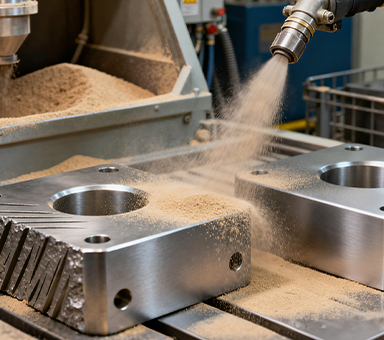
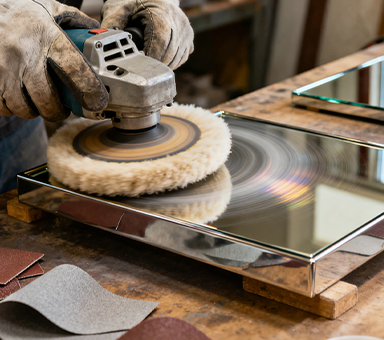
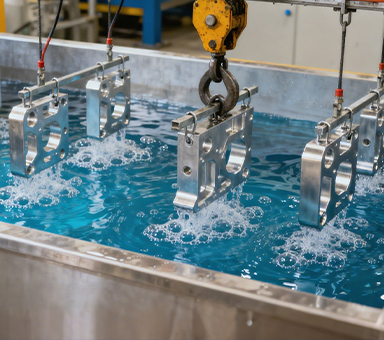
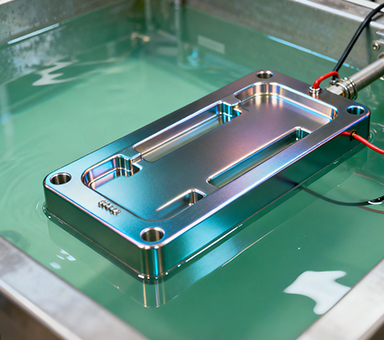
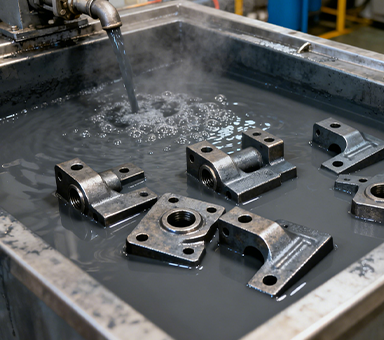
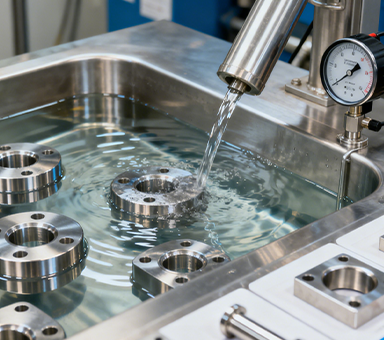
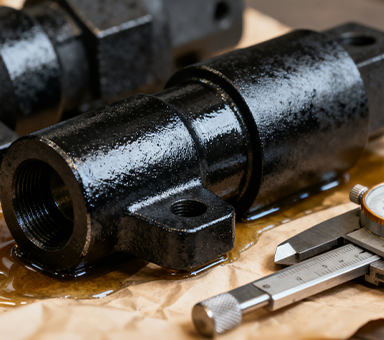
Surface Treatment Processes After CNC Machining

There is a wide variety of surface treatment processes available after CNC machining. The common ones are as follows

Core Advantages of AAA MOULDD's CNC Machining

As a manufacturer specializing in mold production for over 10 years, AAA MOULDD centers on digital and high-precision CNC machining technology. We offer customers solutions covering mold design to production, which can meet the needs of industries like automotive, electronics, and daily necessities.
Precision Control for Stable Quality

Relying on 5-axis CNC machining centers and RTCP (Rotational Tool Center Point) technology, we can control the error of key mold dimensions within the micron level, making it suitable for processing complex curved surfaces, special-shaped structures, and high-precision cavities. The entire machining process is driven by digital programs, reducing errors caused by manual operations and ensuring consistent dimensions of each mold—whether it is a large mold weighing less than 20 tons and measuring under 1.8 meters, or a micro precision injection-molded part, all can meet the design standards.

Efficient Production Process to Shorten Delivery Cycle

AAA MOULDD integrates technologies such as high-speed machining and intelligent tool path optimization. Compared with traditional machining methods, the mold production cycle can be shortened by 40%-70%, which is suitable for urgent orders and mass production. Through the "one-person-multiple-machines" operation mode and with the help of a post-processor compatible with UG software, we achieve seamless connection between design and machining, quickly respond to customized needs, and help customers deliver products on time.

Adaptability to Complex Structures for Enhanced Design Flexibility

For machining challenges such as undercuts, deep cavities, and complex 3D curved surfaces in mold manufacturing, our 5-axis CNC machining technology provides solutions. There is no need to replace equipment—we can switch between the machining of multiple types and specifications of molds just by optimizing programs. It supports the production of injection molds, die-casting molds, and customized parts, meeting the personalized design needs of various industries and reducing the difficulty of new product development.

Balancing Cost and Environmental Protection to Optimize Production Benefits

Through precise material cutting and tool path optimization in CNC machining, we control the material waste rate at a low level. Combined with automated production to reduce labor costs, we optimize long-term production costs. Our CNC equipment is equipped with closed protective covers and automatic chip removal systems, reducing production noise and pollution to meet environmental protection requirements. Full-process quality inspection reduces waste products and rework, providing customers with cost-effective solutions that balance benefits and environmental responsibilities.

Aligning with International Standards to Provide Practical Services

With over 10 years of experience in the export market, our CNC machining processes comply with international manufacturing standards. From raw material selection to finished product inspection, each process is followed up by a dedicated person to ensure efficient communication and on-time delivery. In addition to CNC machining, we can also integrate supporting services such as injection molding, die-casting, assembly, and silk screening to create a "one-stop" solution for customers and act as a reliable partner.

Reasons to Choose AAA MOULD

Die Casting Customization: Our 6 Major Service Commitments
High-Precision Guarantee

Equipment Advantages: We have introduced equipment from well-known brands in Germany, Japan, Taiwan (China), etc., with an equipment precision calibration cycle of ≤ 3 months.​

Technical Team: Our team consists of programming engineers and operators with over 10 years of experience, proficient in multi-axis linkage programming and complex process planning.​

Quality System: We have obtained ISO9001:2015 quality management system certification and strictly implement the "three-inspection system" (incoming inspection, in-process inspection, final inspection), with a product qualification rate of ≥ 99.8%.

Full-Scenario Adaptability​

Material Coverage: Covering metals (steel, aluminum, copper, titanium, magnesium, alloys), plastics (PEEK, POM, PC, ABS), composite materials, industrial ceramics, cemented carbides, etc.​

Complete Processes: From basic milling and turning to complex multi-axis machining, from rough machining to finish machining, and from part processing to post-treatment, we provide one-stop services to meet your needs.​

Industry Adaptation: We have in-depth experience in industries such as aerospace, medical care, automotive, electronics, and new energy, accumulating rich industry-specific processing experience.

Efficient and Quick Response​

Rapid Quotation: We respond to customer needs within 24 hours and provide detailed quotations and process plans.​

Fast Prototyping: The R&D prototyping cycle is 3-7 days, the small-batch production cycle is 7-15 days, and the mass production cycle is flexible and controllable.​

Flexible Adjustment: We support urgent order insertion and rapid process adjustment to meet customers' iteration needs.

Cost Optimization Solutions​

Process Optimization: Through reasonable process planning and tool selection, we reduce processing costs by 10%-20%.​

Bulk Discounts: We offer tiered price discounts for medium and large-batch production to reduce customers' procurement costs.​

One-Stop Service: We integrate processes such as machining, post-treatment, and testing to reduce customers' docking costs and time costs.

Applications of CNC in Major Industries

With the advantages of high precision, high efficiency, and high consistency, CNC (Computer Numerical Control) technology has become a core pillar of modern manufacturing. Below are the detailed application specifics across key and extended industries.

CNC Machining FAQ

What materials can your CNC machining process for parts?
We can process metals (aluminum alloys, stainless steel, carbon steel, copper alloys, etc.), engineering plastics (ABS, PC, POM, etc.), and some composite materials. Our services meet the part requirements of industries such as home appliances, automotive, electronics, and automation. For special materials, feasibility can be confirmed through advance communication.
How long does the entire CNC machining process take from design drawing to finished product?
Small-batch samples (1-10 pieces): 5-10 working days for conventional materials;
Mass production (100+ pieces): 15-30 working days depending on the order quantity. Rush orders can be arranged for priority production. The specific lead time needs to be evaluated based on part complexity, material, and order quantity.
Can you perform CNC machining if I only have a part sample but no complete design drawing?
Yes. We offer "sample reverse engineering" services. We scan the sample using professional equipment to obtain 3D data, restore the design drawing, and then proceed with machining. The accuracy of reverse engineering meets the usage requirements of conventional parts. You can provide samples for specific evaluation.
What is the accuracy of your CNC machining? Can it meet my part requirements?
Conventional machining accuracy: Dimensional tolerance of ±0.05mm and surface roughness of Ra ≤ 1.6μm, which meets the accuracy requirements of home appliance parts, auto parts, and general automation parts;
For higher accuracy , the process needs to be adjusted individually based on part structure and material. We can provide precision test samples.
Can I confirm the sample before mass machining? Is there an additional charge?
We can process metals (aluminum alloys, stainless steel, carbon steel, copper alloys, etc.), engineering plastics (ABS, PC, POM, etc.), and some composite materials. Our services meet the part requirements of industries such as home appliances, automotive, electronics, and automation. For special materials, feasibility can be confirmed through advance communication.
Will a quality inspection report be provided after part machining is completed?
Yes. A basic inspection report (including key dimensions and appearance inspection results) is provided by default for mass production orders. If more detailed inspections are needed (e.g., hardness testing, salt spray testing), please specify in advance. The inspection fee depends on the project, and we ensure the parts meet your usage standards.
Do you accept small orders (e.g., only 20 pieces)?
Yes. We support a flexible cooperation model of "small-batch customization + mass production". Whether it is a trial production order of 20 pieces or a mass production order of thousands of pieces, all parts are processed according to uniform standards. Small-batch orders also enjoy guaranteed quality and delivery timeliness.
What if the machined parts do not meet the requirements?
If parts are defective due to our machining process issues, we will reprocess them for free;
If the problem arises from drawing annotation errors or requirement changes, both parties will negotiate to adjust the plan to minimize your cost losses. A dedicated person will follow up on after-sales issues throughout the process to ensure timely resolution.
How is the quotation for CNC machining calculated? What information do I need to provideto get a quotation?
Quotations are mainly calculated based on part material, size, machining complexity (e.g., number of holes, number of curved surfaces), and order quantity. You only need to provide the part drawing (or sample), material requirements, order quantity, and delivery time. We can provide a preliminary quotation within 1 hour.
Can you provide part surface treatment services, such as electroplating, painting, or anodizing?
Yes. We have long-term cooperation with professional surface treatment manufacturers and can provide supporting services such as electroplating (zinc plating, chrome plating), painting, anodizing, and sandblasting. There is no need for you to contact a third party separately—we complete the entire process from machining to surface treatment in one stop, shortening the overall delivery cycle.

×

Inquire

*Name
*Email
Company Name
Tel
*Message