Plastic components are widely used in industries such as electronics, automotive, medical devices, and household appliances. Many of these products require reliable assembly methods that can join plastic parts quickly and securely. Among the available techniques, ultrasonic weldinghas become one of the most efficient and widely used solutions for assembling thermoplastic components.
In simple terms, ultrasonic welding is a process that joins plastic parts by using high-frequency mechanical vibrations. These vibrations generate heat at the contact surface of the materials, allowing the plastic to melt and bond together. Because the process is fast, clean, and highly repeatable, it is widely adopted in modern plastic manufacturing and injection molding production lines.
To better understand the technology, it is important to first examine how ultrasonic welding works. The basic principle involves converting high-frequency electrical energy into mechanical vibrations. These vibrations create frictional heat at the joint interface between two plastic components.
When the vibration energy reaches the contact area, the temperature rises rapidly. Once the plastic reaches its melting point, the material begins to soften and flow. At the same time, pressure is applied to keep the parts firmly together. When the vibration stops, the melted plastic cools and solidifies, forming a strong molecular bond between the components.
As a result, the two plastic parts become permanently joined without the need for adhesives, screws, or additional fasteners. This direct bonding method improves production efficiency and reduces assembly complexity.
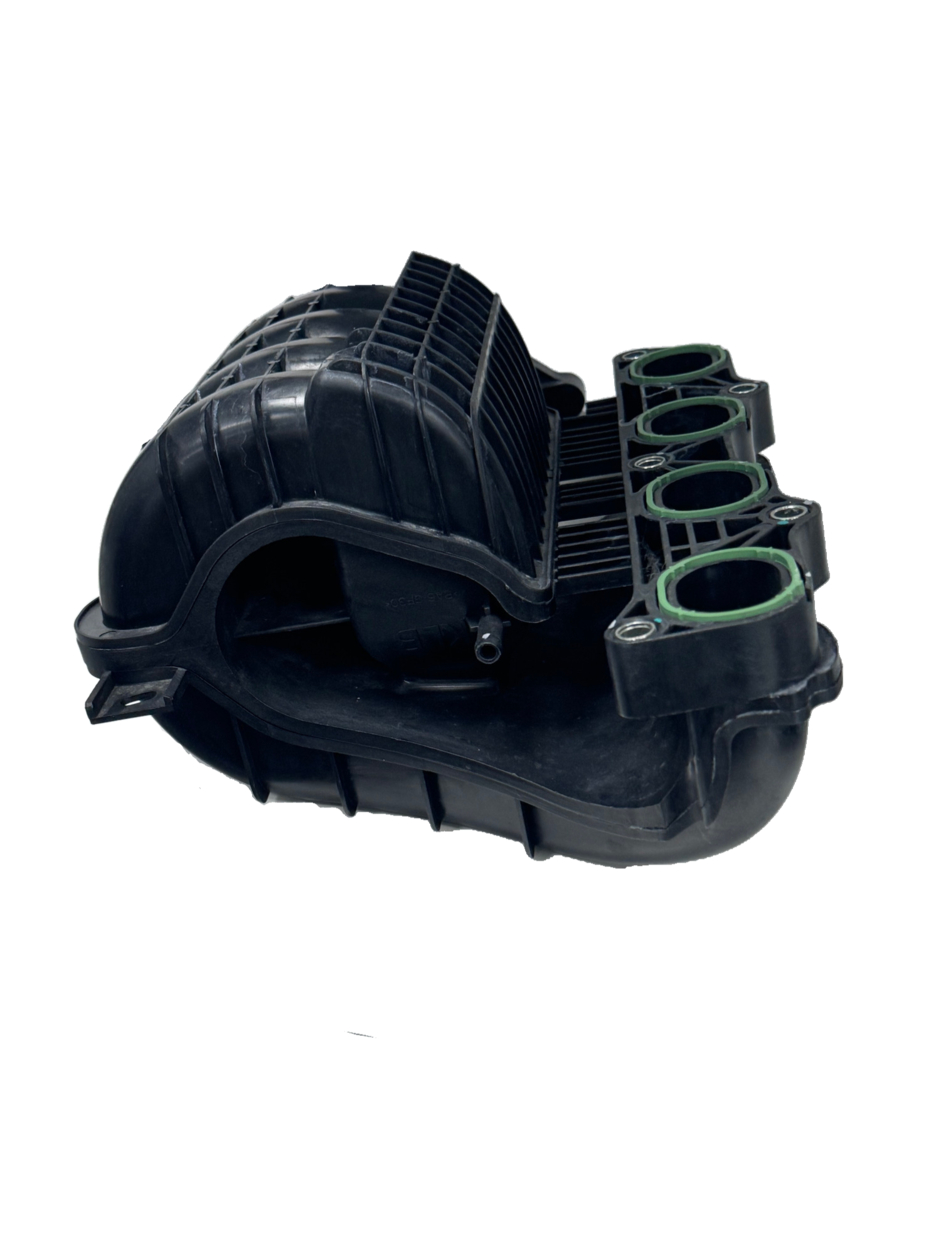
After understanding the basic principle, the next step is to look at how the process is carried out in actual manufacturing environments. Ultrasonic welding typically follows a controlled sequence of steps to ensure consistent weld quality.
First, the two thermoplastic parts that need to be joined are placed together inside a specially designed fixture. The fixture holds the components firmly in place and ensures proper alignment during the welding process. Accurate positioning is essential because even small misalignments can affect weld quality.
Next, an ultrasonic horn—also known as a sonotrode—moves downward and comes into contact with the upper plastic component. The horn is usually made from materials such as titanium or aluminum to ensure durability and efficient vibration transfer.
Once the horn touches the part, a controlled force is applied. This pressure keeps the plastic components tightly clamped against the fixture. Proper pressure ensures that the vibration energy is transferred effectively to the joint interface.
After the pressure is applied, the ultrasonic system generates high-frequency vibrations, typically at frequencies such as 20 kHz or 40 kHz. These vibrations travel through the plastic components and concentrate at the joint area.
As the parts vibrate against each other, friction generates heat. When the temperature at the interface reaches the melting point of the thermoplastic material, the plastic begins to melt and flow. This stage is called the weld time, and it is precisely controlled to achieve a consistent bond.
Following the vibration stage, the ultrasonic energy stops while the pressure remains applied. During this hold time, the molten plastic cools and solidifies. Maintaining pressure during cooling helps the materials fuse together more effectively and increases joint strength.
Finally, once the plastic has fully solidified, the horn retracts and the clamping force is removed. The two plastic parts are now permanently joined and can be removed from the fixture as a single component.
Because of its efficiency and reliability, ultrasonic welding offers several important advantages in plastic component assembly.
First, ultrasonic welding providesextremely fast production cycles. Many plastic components can be welded in less than one second, which significantly improves manufacturing productivity.
Second, the process is cost-effective. Since ultrasonic welding does not require adhesives, solvents, or mechanical fasteners, manufacturers can reduce both material costs and assembly complexity.
Another key advantage ishigh repeatability. Ultrasonic welding equipment allows precise control of parameters such as vibration time, pressure, and energy output. This ensures consistent weld quality across large production batches.
In addition, ultrasonic welding ishighly versatile. It can be used for a wide range of thermoplastic materials and product designs. Manufacturers can also perform operations such as staking, inserting, or swaging using the same technology.
Furthermore, the process is environmentally friendly. Because no chemical adhesives or bonding agents are required, ultrasonic welding eliminates potential contamination and reduces manufacturing waste.
In many manufacturing industries, ultrasonic welding is closely connected with
injection molding processes
. This is because a large number of plastic products are produced as injection molded components that later need to be assembled.
Injection molded parts often include housings, covers, and enclosures that must be sealed or joined together. Ultrasonic welding provides a fast and reliable solution for connecting these parts without damaging the original molded structure.
For example, plastic electronic housings, automotive interior components, and medical device enclosures are frequently assembled using ultrasonic welding. Since injection molding can produce precise and consistent plastic parts, it works well with the controlled welding process to achieve strong and reliable joints.
As a result, combining injection molding with ultrasonic welding allows manufacturers to create complex plastic assemblies efficiently and with high production quality.
Because of its flexibility and speed, ultrasonic welding is widely used across multiple industries that rely on plastic components.
In theautomotive industry, ultrasonic welding is used to assemble interior plastic parts, lighting components, and sensor housings.
Inconsumer electronics, the process is commonly used to join plastic enclosures for devices such as remote controls, battery cases, and small electronic housings.
Themedical device industryalso uses ultrasonic welding extensively. Many disposable medical products require clean and secure plastic joints, making ultrasonic welding an ideal solution.
Additionally, thepackaging industrybenefits from ultrasonic welding when sealing plastic containers, blister packaging, and other thermoplastic materials.
Through these applications, ultrasonic welding plays an important role in modern plastic manufacturing.
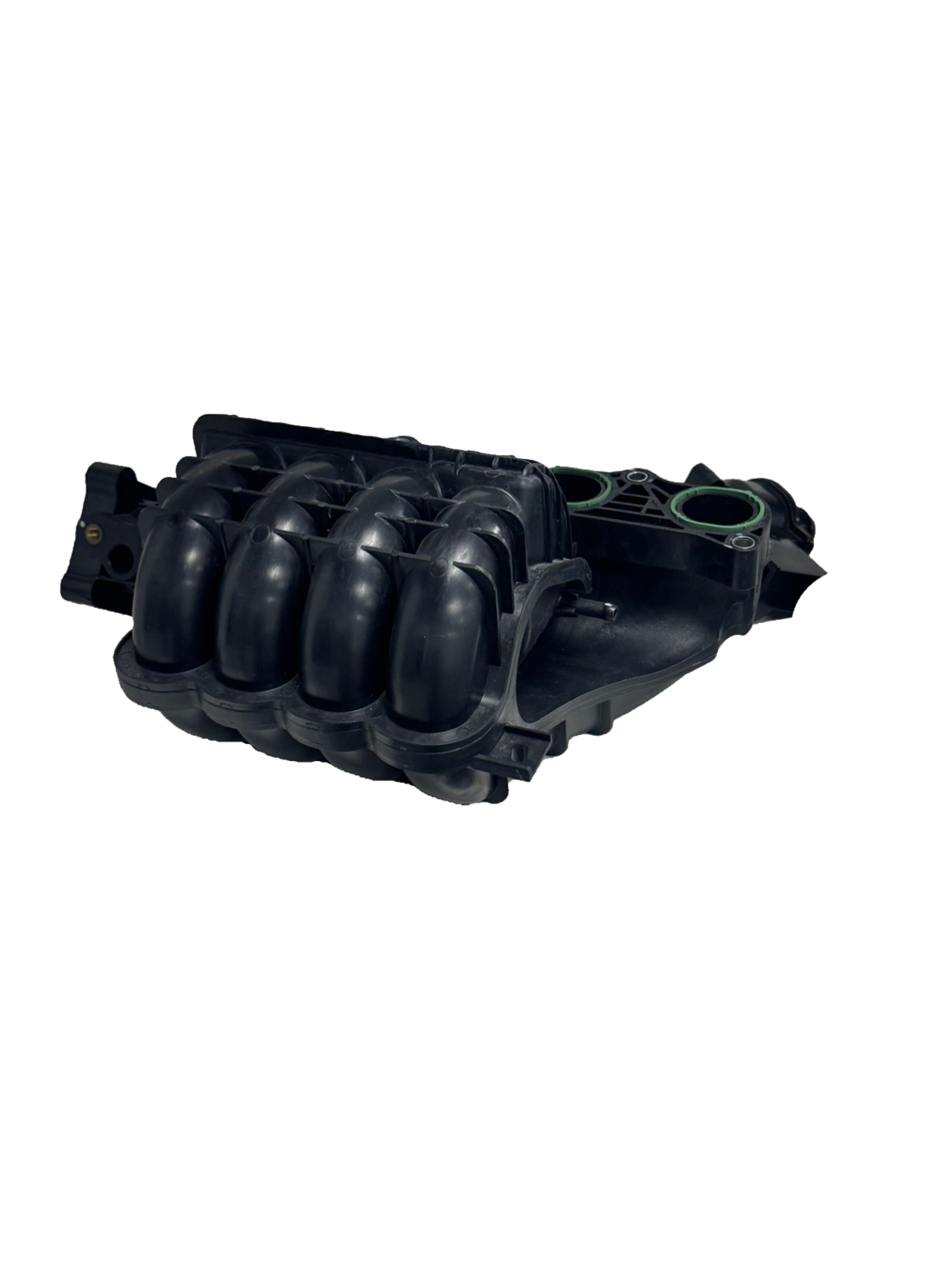
Although ultrasonic welding is highly effective, proper part design is essential to ensure good welding results.
One important factor ismaterial compatibility. Ultrasonic welding works best with thermoplastic materials that can melt and reform under heat. Different plastics may require adjustments in welding parameters.
Another key consideration is joint design. Many welded parts use special features such as energy directors. These small triangular ridges concentrate vibration energy at the joint interface, improving the welding efficiency.
Partwall thicknessandalignmentalso influence weld quality. Consistent wall thickness helps ensure even vibration transmission, while proper alignment prevents weak joints or welding defects.
Finally, a well-designedfixtureis necessary to hold the components securely during welding. A stable fixture ensures accurate positioning and consistent pressure during the entire process.
In summary, ultrasonic welding is a highly efficient method for assembling thermoplastic components. By using high-frequency mechanical vibrations, the process generates frictional heat that melts plastic at the joint interface and forms a strong molecular bond.
The technology offers many advantages, including fast cycle times, high repeatability, cost savings, and environmentally friendly operation. When combined with injection molding, ultrasonic welding provides an ideal solution for producing reliable plastic assemblies in industries such as automotive, electronics, medical devices, and packaging.
As plastic products continue to evolve in complexity and precision, ultrasonic welding will remain an important technology in modern manufacturing.
If your project requires high-precision plastic molds and reliable plastic part production , choosing the right manufacturing partner is essential.
AAA MOULDis a professionalplastic mold manufacturerwith extensive experience in precision mold design, injection molding, and plastic component manufacturing. The company focuses on delivering high-quality molds and customized solutions for industries such as automotive, electronics, medical devices, and consumer products.
From mold design and manufacturing to injection molding production, AAA MOULD provides comprehensive support to help customers achieve efficient and reliable plastic part manufacturing.
Contact AAA MOULD today
to learn more about professional plastic mold manufacturing solutions for your next project.

RM1223, 12F, No.1, Fuji Bldg, No. 6018 Longgang RD. , Longgang Dist., Shenzhen,China.


Tel: 0086-755-89618186

Contact: Paul Hu 0086-18675501028




 LEAVE MESSAGE